


Tripartite Partners Discuss Decent Work Programme
By: , September 28, 2026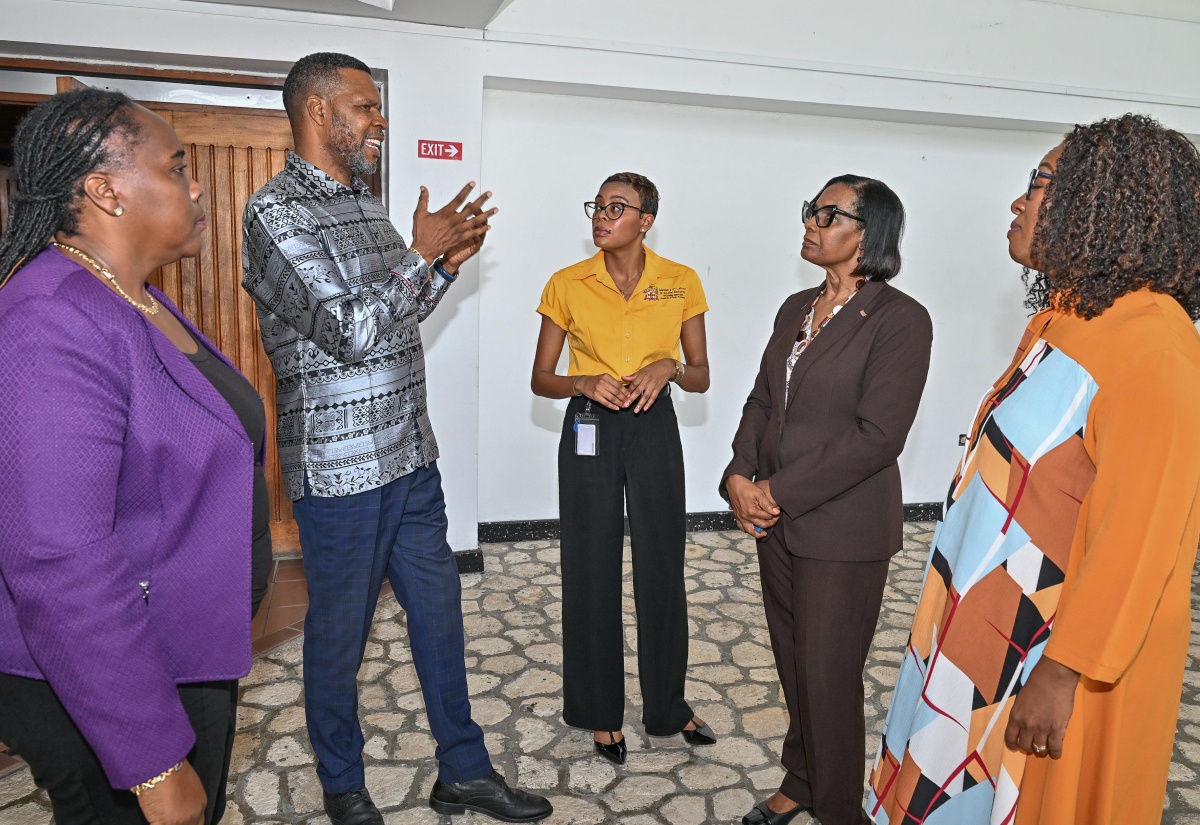
Photo: Contributed
Chief Executive Officer of the Caribbean Aquaculture Education and Innovation Hub, Dr. Juli-Anne Royes Russo.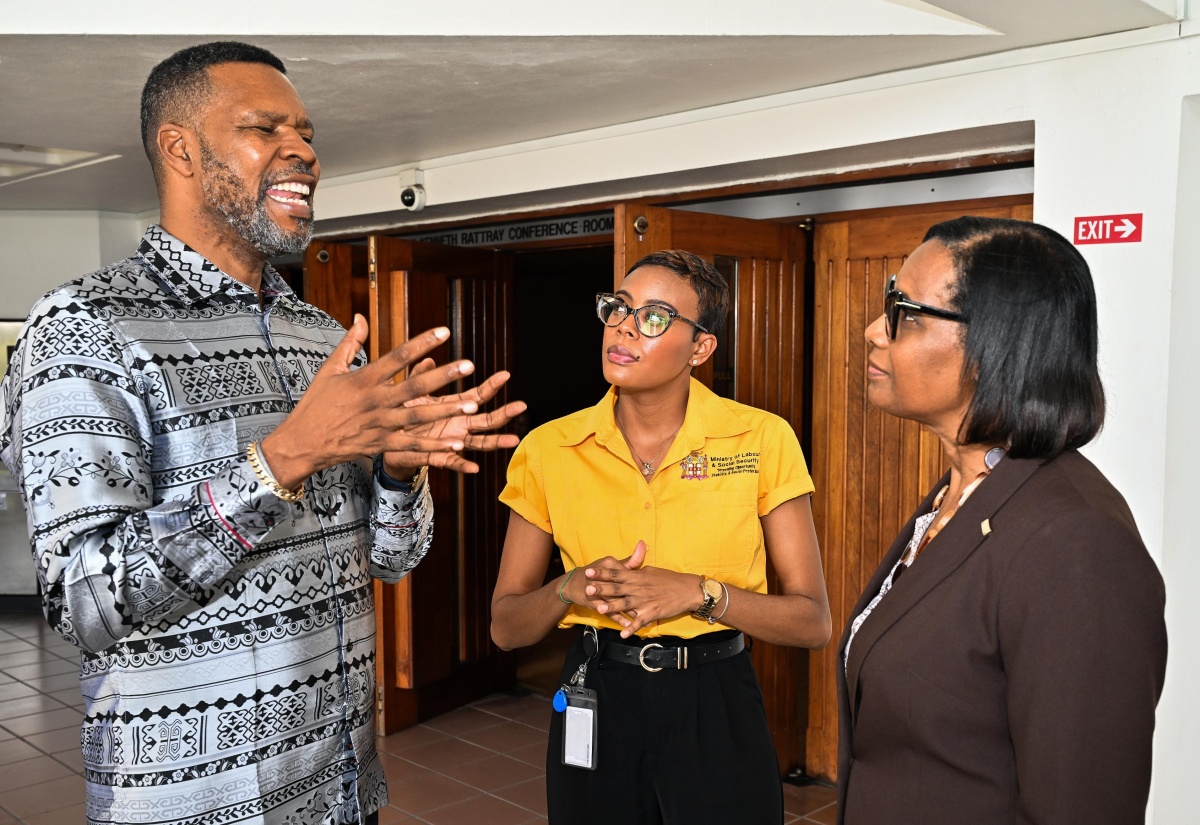
Photo: Dave Reid
Acting Permanent Secretary, Ministry of Labour and Social Security, Dione Jennings (right) and Director of International Labour Agencies and Information in the Ministry, Roshell Masters, listen to a point from Director of the International Labour Organization (ILO) Caribbean Office, Dr. Joni Musabayana. Occasion was the closing day of the four-day National Validation Workshop for Jamaica’s Draft Decent Work Country Programme (DWCP) 2027–2031 at the Jamaica Conference Centre in downtown Kingston on September 24.The Full Story
Representatives of government, employers and workers came together for crucial discussions aimed at shaping Jamaica’s decent work agenda over the next five years.
The Ministry of Labour and Social Security, in collaboration with the International Labour Organization (ILO), hosted the National Validation Workshop for Jamaica’s Draft Decent Work Country Programme (DWCP) 2027–2031 at the Jamaica Conference Centre in downtown Kingston from September 21 to 24.
Speaking with JIS News on the closing day of the workshop, Acting Permanent Secretary in the Ministry, Dione Jennings, explained that the country programme is a national strategic framework that “allows us to identify what the issues are within the labour market and to set a roadmap that can allow the country to move forward”.
Mrs. Jennings said that the programme is built around four crucial pillars – a more inclusive, sustainable and efficient labour market that ensures access to decent work for all; facilitating more productive, formalised and environmentally sustainable enterprises that support improved decent employment opportunities; enhancing labour and social protections; and strengthening social dialogue and social partner capacities to advance Jamaica’s decent work agenda.
She noted that the four days of discussions brought together the tripartite partners along with key stakeholders to review and confirm the proposals, ensuring that they accurately reflect national labour market priorities.
“We operate with the tripartite constituents where we have employers, organisations, the government, workers and union organisations collaborating in our discussions to identify what the labour market will look like,” she said.
For his part, Director of the ILO Caribbean Office, Dr. Joni Musabayana, said that the organisation views Jamaica as a pivotal leader in shaping an organised regional labour market.
He said that Jamaica, which is a longstanding ILO member, has a strong institutional foundation, noting the active tripartite discussion framework.
“Of the 14 countries that we have in the Caribbean region that are members of the ILO, Jamaica is the second oldest member of the ILO having joined in 1962 after Haiti which was there at the formation in 1919,” he pointed out.
“By virtue of this, that places Jamaica in the leadership position in the region and in the labour market. It behooves Jamaica to show the rest of the region how an organised labour market should look. I hope that on the back of this programme, Jamaica in the context of CARICOM, will be able to help organise and create a coherent regional labour market,” Dr. Musabayana said.