

Caribbean Blue Foods Stakeholder Workshop to Turn Spotlight on Aquaculture
By: , September 28, 2026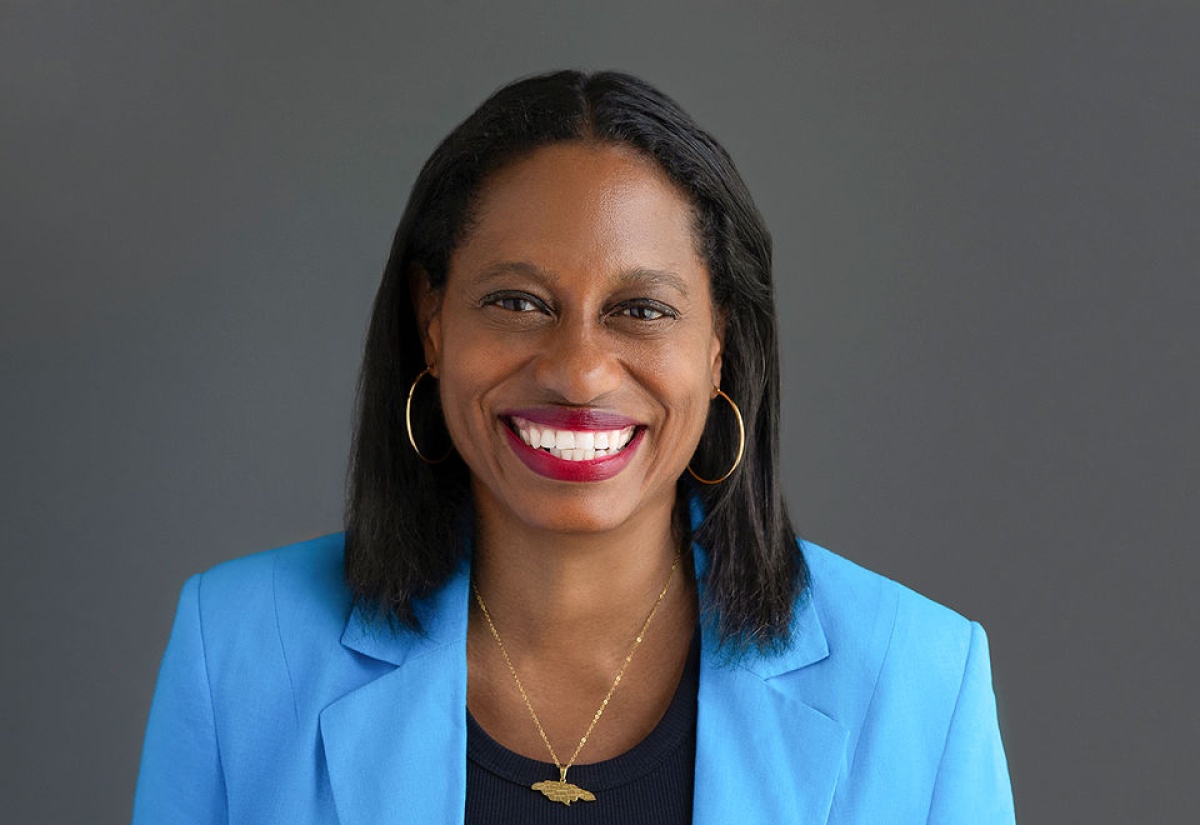
Photo: Contributed
Chief Executive Officer of the Caribbean Aquaculture Education and Innovation Hub, Dr. Juli-Anne Royes Russo.The Full Story
The importance of aquaculture in safeguarding regional food security will be highlighted at the Caribbean Blue Foods Stakeholder Workshop from September 29 to October 2 at the Caribbean Maritime University (CMU) in Kingston.
The four-day event is hosted by the Caribbean Aquaculture Education and Innovation Hub in partnership with the Aquatic Blue Food Coalition & non-profit organisation Environmental Defense Fund.
Discussions will be held under the theme: ‘Pathways for Climate-Resilient Blue Food Production and Investment in the Caribbean’.
Speaking with JIS News, Chief Executive Officer of the Caribbean Aquaculture Education and Innovation Hub, Dr. Juli-Anne Royes Russo, said the event will turn the spotlight on aquaculture as a multi-disciplinary science that goes beyond fish farming and production, offering solutions for regional food security and climate resilience.
“Aquaculture is the farming of aquatic plants and animals in water, and in Jamaica it’s not really considered a science; it is more considered farming or production,” she noted.
“As scientists we would like to see that dynamic change and aquaculture now considered an interdisciplinary Science, Technology, Engineering and Mathematics (STEM) subject, that should be taught in schools as more of a solution to food security, marine conservation, and creating jobs,” she said.
Dr. Royes Russo told JIS News that the workshop, which will be solutions-focused, will bring together approximately 100 participants from Jamaica and the wider Caribbean including Puerto Rico, Bahamas, Saint Lucia and Saint Vincent and the Grenadines.
Participants will include representatives from academia, the agricultural sector, farming communities and government, as well as scientists and other stakeholders from the region and the United States.
“We have Caribbean scientists that are coming in from the different islands who are doing research in isolation so, by sharing their knowledge, we can learn from each other and have exchanges,” Dr. Royes Russo said.
The workshop will also place emphasis on women and young people, as part of efforts to increase the visibility of women in science and encourage the next generation to consider aquaculture and related disciplines as viable areas of study and employment.
The Caribbean Aquaculture Education and Innovation Hub was established by Caribbean women scientists and has a mandate focused on education, science and research and development, including the creation of innovative products and businesses across the aquaculture value chain.
“We want to see the entire aquaculture value chain filled and to have the next generation, the young people, coming in that are studying the sciences to…create jobs and stay within the [region],” Dr. Royes Russo said.