


PAJ Bolsters Security Measures to Protect Jamaica’s Strategic Maritime Interests
By: , April 21, 2026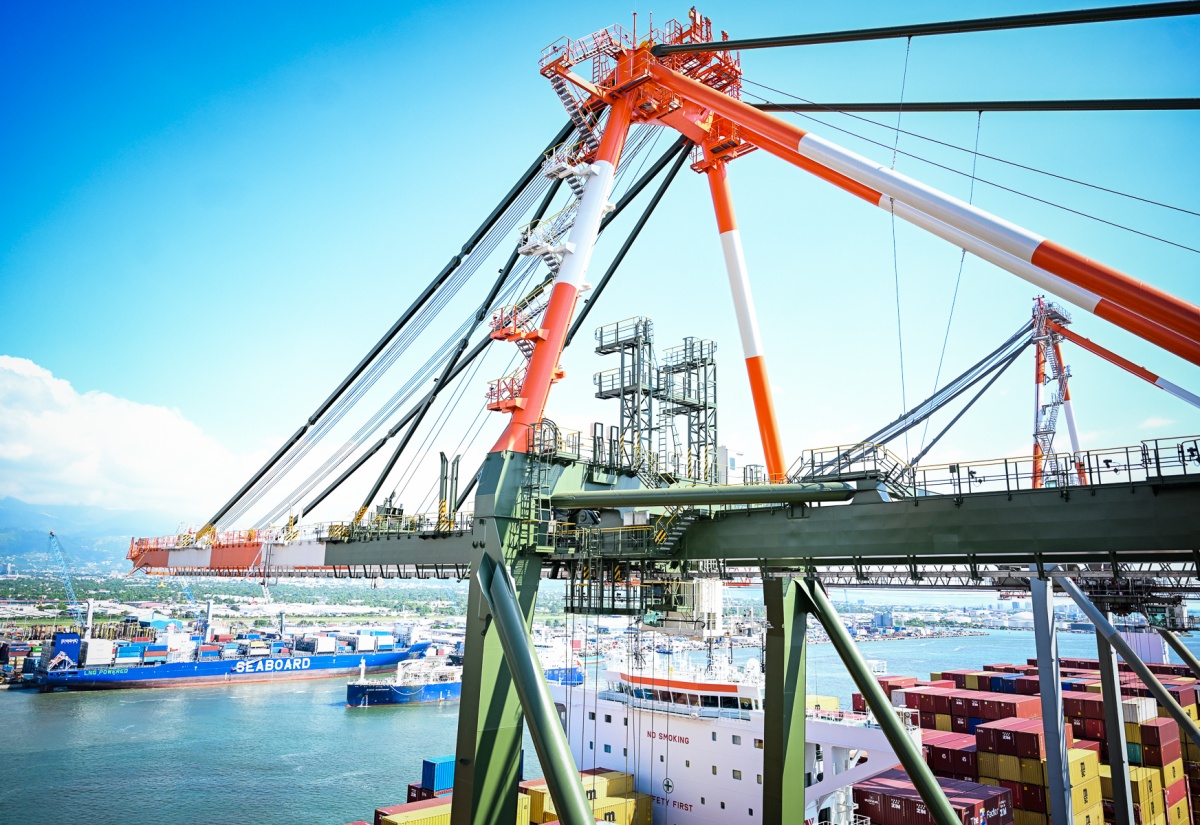
Photo: Adrian Walker
The Port of Kingston is Jamaica's principal shipping hub situated on the world's seventh largest natural harbour.The Full Story
The Port Authority of Jamaica (PAJ) is intensifying efforts to safeguard the island’s ports, through the implementation of a comprehensive security framework designed to protect critical infrastructure, support economic growth, and ensure Jamaica remains a premier destination for global trade and cruise tourism.
Vice President (VP) of Security and Safety at the PAJ, Lieutenant Colonel Kirk Johnson tells JIS News that the Authority continues to strengthen its systems through a combination of legislation, technology, and strategic partnerships, while also urging public cooperation in maintaining a secure port environment.
The PAJ operates under a well-established legal framework that governs all aspects of port operations.
These include the Port Authority Act of 1972, which is supported by the Port Authority By-laws, Port Management and Security Regulations, and the Port Facility Security Instructions.
Collectively, they provide the entity with the mandate to enforce strict security protocols across Jamaica’s port facilities.
These regulations address critical areas such as access control, surveillance, trucker registration, and identification requirements for all individuals entering port spaces.
They also outline standards for perimeter security, electronic monitoring, and overall operational compliance. Lt. Col. Johnson explains that the Authority’s responsibilities extend beyond regulation, to include infrastructure development which positions the organisation as a key driver of national progress.
“Our core function is twofold. We are regulatory and we also deal with development. So, we provide… development on behalf of the Government of Jamaica. We also oversee things like vessel regulations, vessel navigations, wharf facilities and we ensure compliance in terms of the security protocols,” he explains. On the development side, the PAJ continues to advance major projects aimed at expanding Jamaica’s logistics and maritime capacity, including initiatives aligned with the country’s logistics hub strategy.
These efforts are intended to enhance trade efficiency and strengthen economic resilience.
Lt. Col. Johnson informs that Jamaica’s port system comprises a network of cargo and cruise facilities strategically distributed across the island.
The main cargo ports, which are Kingston Freeport Terminal Limited, Kingston Wharves Limited, and the Port of Montego Bay, handle significant volumes of domestic and transshipment cargo.
In addition, several cruise-ship terminals located along the north, south, and eastern coasts accommodate international passenger vessels, while specialised private wharves support industries such as bauxite and cement.
This strategic distribution, he says, enhances operational efficiency while reinforcing Jamaica’s position as a central hub in regional and global shipping networks.
Lt. Col. Johnson also points out that Jamaica’s location is a major factor in its maritime importance. “Jamaica’s geographic position makes it a critical player in the global maritime trade. The strategic location places Jamaica in the direct alignment of global cargo flows, and this makes us vital for transshipment and logistics,” the Security and Safety VP outlines.
Conversely, Jamaica’s location also provides the ideal spot for the transshipment of contraband and drugs.
“There have been instances where criminal elements… have used established shipping routes to move weapons, ammunition, contraband, and even human trafficking to a lesser extent,” he adds.
Given these realities, the PAJ has adopted a multi-layered approach to port security, combining advanced technology with strict operational controls. Electronic video surveillance systems are installed across cargo and cruise facilities, providing real-time monitoring of operations, restricted zones, and perimeter boundaries. Access to ports is tightly regulated through an identification system managed by the Authority. Individuals must undergo a vetting process, conducted in collaboration with the Jamaica Constabulary Force and other agencies, before being issued a port identification card.
Truckers are also required to be registered and approved prior to entering port facilities.
The Authority works closely with the Jamaica Customs Agency to strengthen cargo-inspection processes.
Non-intrusive scanning equipment is used to examine shipments, allowing officials to detect prohibited items without disrupting the flow of goods.
Lt. Col. Johnson says these systems have proven effective in identifying illegal cargo, including weapons and ammunition, reinforcing the importance of continuous monitoring and inter-agency collaboration. Security measures are equally stringent at cruise terminals, where the safety of passengers and crew is paramount.
“With cruise tourism serving as a significant contributor to employment and foreign exchange earnings, maintaining a secure and welcoming space is critical,” he argues.
“We need to ensure that our cruise passengers can walk about freely in a safe and secure environment, devoid of harassment, and so we collaborate and partner with entities like the Ministry of Tourism… the Jamaica Constabulary Force… in terms of ensuring that the environment that the cruise passengers need to move about in is fairly safe,” Lt. Col. Johnson adds. He notes that Jamaica continues to attract a steady flow of cruise vessels, which he attributes to sustained confidence in the island’s safety and appeal as a destination. While institutional measures form the backbone of port security, Lt. Col. Johnson stresses that public awareness and compliance are equally important.
Individuals accessing port facilities are required to follow established guidelines to ensure smooth and secure operations.
These include presenting valid identification, complying with routine inspections, and always remaining within designated areas. Unauthorised access is strictly prohibited, and breaches may result in penalties or removal from the facility.
He implores stakeholders to be vigilant in the interest of port safety and security as they move about.
“If you see something, say something. If you notice unusual behaviour, unattended packages, or anything that seems out of place, report it immediately to our security personnel. Your vigilance is also critical to ensure that the ports are kept secure,” he urges. He states that persons should be prepared for the security procedures when they enter the port facilities. “You have to expect those routine checks of vehicles, cargo, and identification. So, please comply promptly with the instructions of the security officers. These inspections are for your safety and the integrity of the port,” the Security and Safety VP adds.
Lt. Col. Johnson further emphasises that maintaining a secure port environment is a shared responsibility that requires cooperation from all stakeholders, including workers, visitors, and members of the public.
“Security is everybody’s responsibility. Protecting Jamaica’s reputation as a safe destination is achieved when everybody does their part. We need to ensure that there’s smooth egress and ingress on the ports… and all of these actions certainly support national security as it regards securing our cargo and cruise terminals,” Lt. Col. Johnson says.
As Jamaica continues to expand its maritime and logistics capabilities, the Port Authority remains focused on strengthening its security architecture to address evolving threats while facilitating trade and tourism.
Through sustained investment, strategic collaboration, and public engagement, the PAJ is working to ensure that the nation’s ports remain safe, efficient, and globally competitive.