


NEPA Begins Coral Spawning Observation Dives
By: , September 1, 2026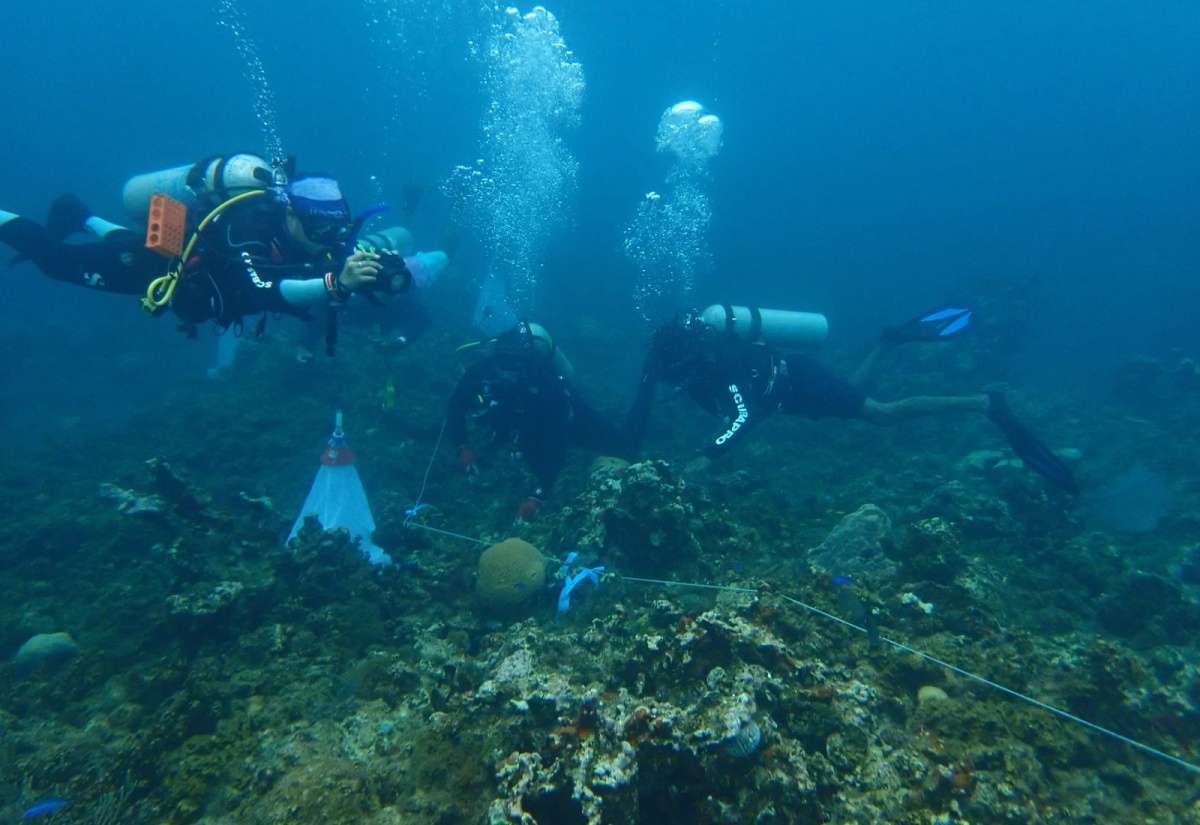
Photo: Contributed
Divers deploy collection nets over coral colonies during a coral spawning event in Discovery Bay in 2024. The activity formed part of a CoralCarib Project training initiative, led by The Nature Conservancy (TNC) and the Alligator Head Foundation (AHF), to equip marine protected area managers with the skills and resources needed to conduct assisted fertilisation and support coral reef restoration efforts.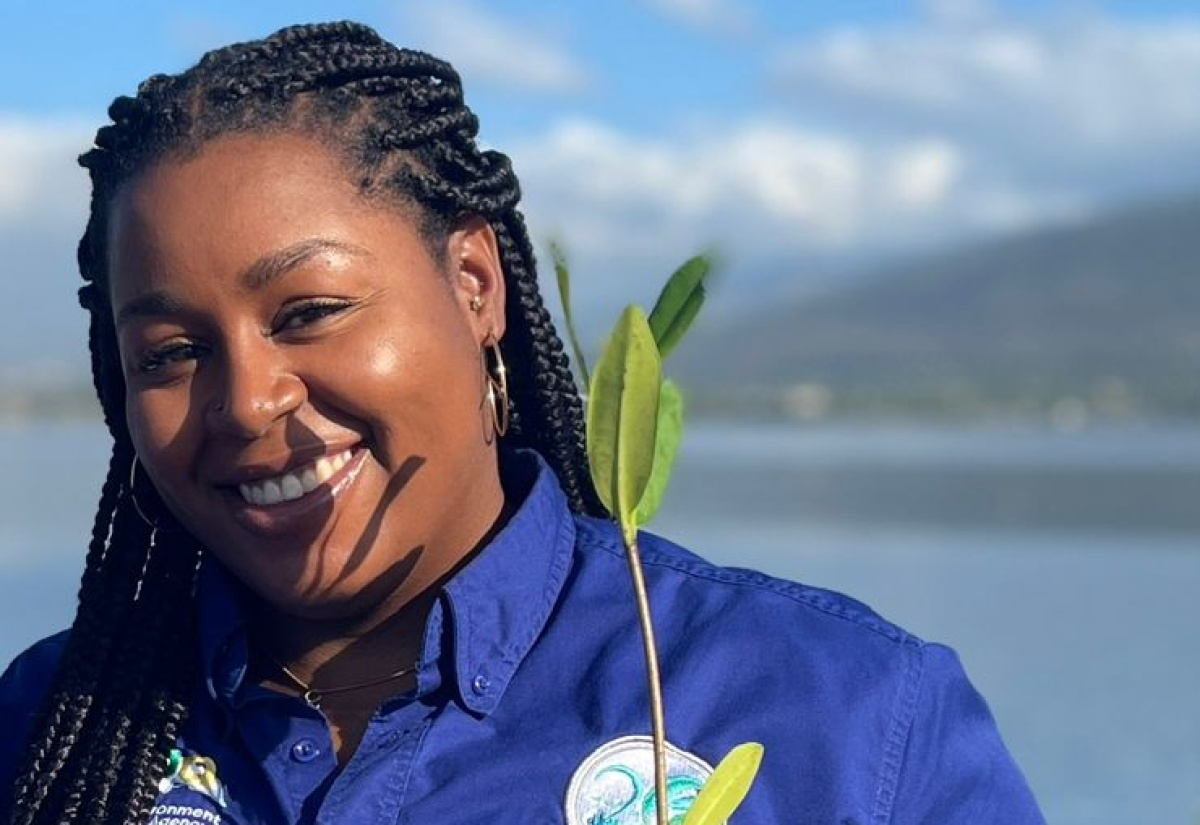
Photo: Contributed
Coordinator for Ecosystems at the National Environment and Planning Agency (NEPA), Chanel Raynor, highlights the importance of coral reef conservation and restoration as Jamaica observes Coral Reef Awareness Month throughout September.The Full Story
The National Environment and Planning Agency (NEPA) will begin a series of coral spawning observation dives across four marine ecosystems tonight (August 31), as part of its Coral Reef Awareness Month activities.
The annual observance, which runs throughout September, is aimed at increasing public awareness of the vital role coral reefs play in supporting marine life, sustaining fisheries, protecting coastlines and underpinning the country’s tourism industry.
Coordinator for Ecosystems at NEPA, Chanel Raynor, highlighted that NEPA’s latest Coral Reef Health Index assessment has revealed that the overall condition of Jamaica’s reefs has declined from poor to critical, underscoring the urgency of conservation and restoration efforts.
In response, the Agency has been working with marine protected area managers to map and monitor surviving coral colonies that have demonstrated resilience to bleaching events and disease.
These corals are now being targeted for restoration and reproduction initiatives under Jamaica’s National Ecosystem Restoration Plan and national biodiversity targets.
Ms. Raynor noted that protecting coral reefs remains critical, as they provide important benefits for Jamaica’s coastal communities and marine ecosystems.
“Coral reefs are the first line of defence for our shorelines. Their physical structure helps to absorb wave energy before it reaches the coast, reducing the impacts of storm surge and erosion,” she explained during an interview with JIS News.
As part of efforts to strengthen public awareness and support ongoing restoration work, a key feature of this year’s observance will be nightly coral spawning observation dives being conducted from August 31 to September 4 at Alligator Head Foundation in Portland; White River Fish Sanctuary, located off the coast of Ocho Rios; Oracabessa Bay Fish Sanctuary in St. Mary, and the Montego Bay Marine Park in St. James.
The dives will focus on boulder corals, a type of massive reef-building coral that reproduces through a natural spawning process.
Ms. Raynor explained that coral spawning is a natural phenomenon in which corals release eggs and sperm into the water column, allowing fertilisation to occur and new corals to develop.
“The advantage of sexual reproduction is that it improves the genetic diversity of coral populations, making them more resilient to environmental stressors and disease,” she noted.
As part of the work, divers will identify and tag healthy coral colonies before placing specially designed nets over them ahead of the predicted spawning time.
When spawning occurs, the reproductive material is captured and carefully transported ashore, where scientists facilitate fertilisation and monitor early cell development, the Ecosystems Coordinator detailed.
At locations with laboratory facilities, such as the Alligator Head Foundation, young corals are reared until they reach a stage suitable for placement back onto reef systems, supporting ongoing restoration efforts.
The activities also contribute to the development of a national coral spawning calendar, helping researchers better understand when various coral species reproduce across Jamaica.
Beyond the dives, NEPA will also engage students through a series of educational tours and awareness activities. Five schools from the Discovery Bay and Ocho Rios areas will visit marine laboratories in their respective communities, where students will learn about coral reef ecosystems, marine conservation and the role they can play in protecting Jamaica’s natural resources.
The month’s activities are being supported by several partners, including the CoralCarib Project, implemented regionally by the Nature Conservancy and locally by the Alligator Head Foundation, as well as the White River Marine Trust, Oracabessa Marine Trust, Montego Bay Marine Park Trust, and the Caribbean Coastal Area Management Foundation (C-CAM).
Throughout Coral Reef Awareness Month, NEPA is encouraging Jamaicans to learn more about coral reefs and support efforts to safeguard these ecosystems, which provide critical benefits to coastal communities and the wider economy.