


Jamaicans Urged to Keep Emergency Kits Ready Year-Round
By: , January 13, 2026
Photo: Michael Slolely
Scientific Officer, Earthquake Unit (EQU), Karleen Black, addresses a recent JIS Think Tank focused on Earthquake Awareness.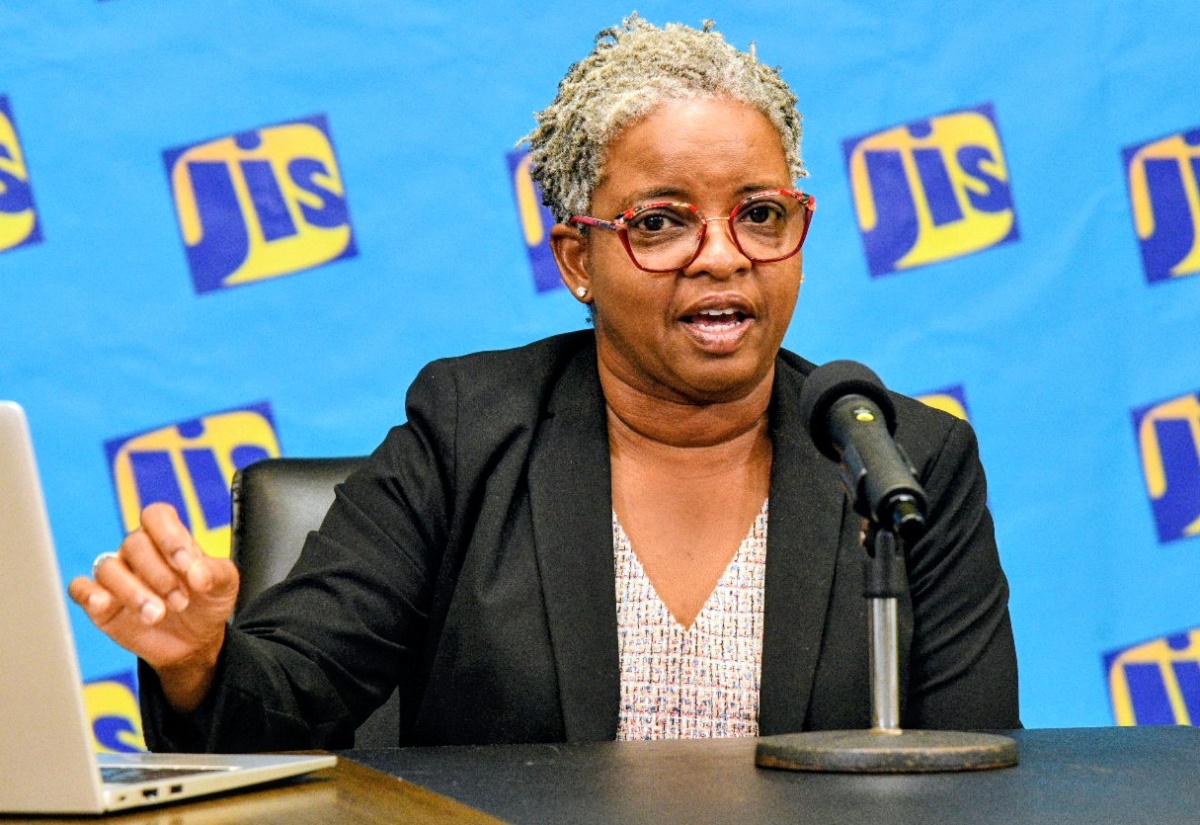
Photo: Michael Sloley
Director, Emergency Medical Services, Emergency Disaster Management and Special Services Branch, Ministry of Health and Wellness, Dr. Janice Miller, outlines items that should be included in an emergency kit, during a recent JIS Think Tank.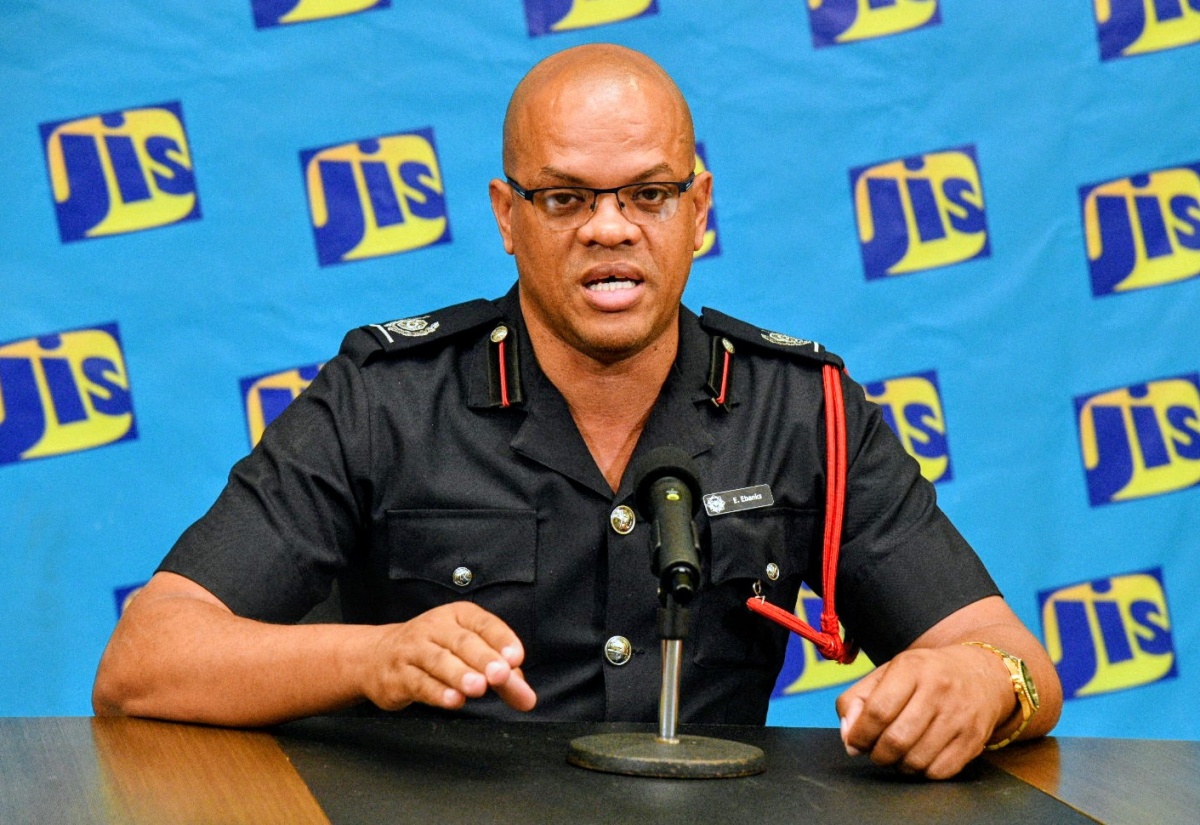
Photo: Michael Slolely
Public Education Officer, Jamaica Fire Brigade (JFB), Superintendent Emeleo Ebanks, details the importance of an emergency kit, noting the need to include a sounding device, during a recent Jamaica Information Service (JIS) Think Tank.The Full Story
With Earthquake Awareness Week now under way, citizens are being reminded that having an emergency kit is always essential, as earthquakes can occur without warning.
Speaking at a recent JIS Think Tank, Scientific Officer at the Earthquake Unit (EQU), Karleen Black, said that a well-prepared hurricane kit also serves as an effective earthquake kit and should be kept ready year-round.
“The truth is that if you have an emergency kit, you have an earthquake kit… Whatever you have for the hurricane, try to have that at the ready 12 months of the year, because earthquakes don’t have a season,” Ms. Black said.
She explained that essential items such as water, dry food, flashlights and a battery powered radio should always be easily accessible, noting that these supplies can save lives during an earthquake just as they do during hurricanes.
From a health perspective, Director, Emergency Medical Services, Emergency Disaster Management and Special Services Branch, Ministry of Health and Wellness, Dr. Janice Miller, emphasised the importance of including medical supplies and personal health items in emergency kits.
“In terms of health, there are a few basic things that you need, including a first-aid kit. However, if you are on prescribed medication, that medication needs to be with you,” Dr. Miller advised.
She noted that prescriptions should also be added to the emergency kit.
“If you don’t have your medication, maybe you will have at least a prescription with actual doses and names of medication that we would be able to prescribe what you are normally on,” Dr. Miller explained.
She further cautioned that special care must be taken for medications, such as insulin, that require refrigeration.
“If it is that the prescribed medication requires refrigeration, then you need to constitute your emergency kit such that the temperature of the medication, meaning ice packs, need to be maintained because what you wouldn’t want to have happen is that you have your medication in there and when it’s time to take your medication, you realise it’s spoilt,” said Dr. Miller.
She also urged individuals with chronic illnesses to include in their kits important medical documents such as immunisation records, sickle cell cards and other relevant health information which can be vital when seeking medical care during an emergency.
Meanwhile, Public Education Officer at the Jamaica Fire Brigade (JFB), Superintendent Emeleo Ebanks, stressed the need for households to have a clear emergency plan supported by a properly stocked safety kit.
“A lot of homes don’t necessarily have a plan…The same plan that you would have for the workplace needs to be tailored for your home needs, and that includes putting a safety kit in place,” Superintendent Ebanks said.
He also highlighted items such as a first-aid kit, flashlight and battery-powered radio as essential, pointing to recent power outages following Hurricane Melissa as evidence of their importance.
Superintendent Ebanks also underscored the value of including a sounding device, such as a whistle, in emergency kits.
“You want to have something that can make some kind of sound in the event that you are trapped and you need to be rescued. Search and rescue teams will know that this is a sound outside of the ordinary and they will come towards you,” he said.
He explained that using short blasts of a whistle is effective in situations where there may be heavy dust and reduced oxygen levels, as it allows trapped individuals to signal for help without straining their voices or using up oxygen by repeatedly calling out.
He further pointed out that if you are without a whistle and you find yourself trapped, “if you have a piece of metal and you can bang another piece of metal, that will alert the rescue teams that somebody is in this area”.
Earthquake Awareness Week, spearheaded by the Office of Disaster Preparedness and Emergency Management (ODPEM), commenced on Sunday, January 11, and is being observed under the theme ‘Resilient Jamaica: We Weather the Storm and Brace for the Shake’.