


Jamaica Making Strides in Disability Inclusion
By: , February 25, 2026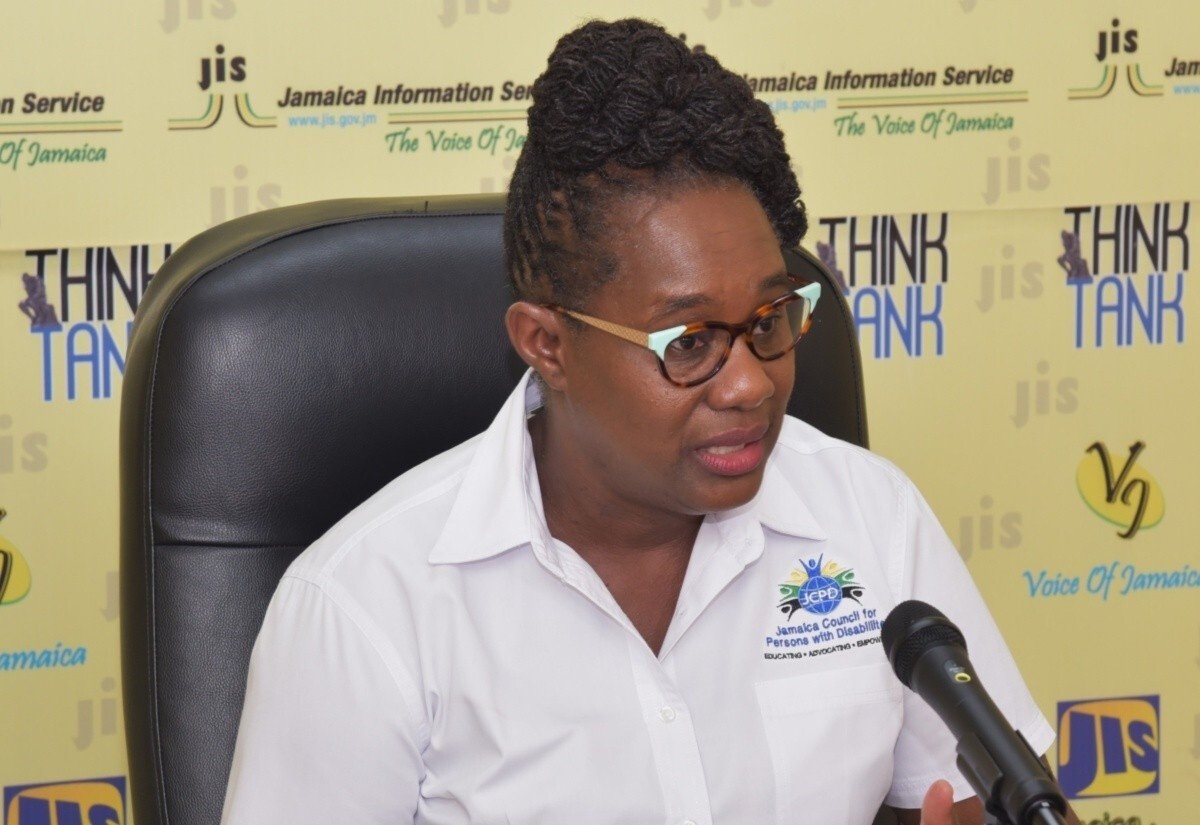
Photo: JIS File
Executive Director of the Jamaica Council for Persons with Disabilities, Dr. Christine Hendricks.The Full Story
Jamaica has made notable strides in advancing disability inclusion, steadily building a stronger culture of belonging for vulnerable group of persons.
Over the past four years, the country has implemented key aspects of the Disabilities Act, alongside public education and sensitisation initiatives, to promote equal access, opportunities, and rights for persons with disabilities.
Addressing a recent Think Tank, Executive Director of the Jamaica Council for Persons with Disabilities (JCPD), Dr. Christine Hendricks, said that disability inclusion is “not a sprint but a marathon” requiring progressive realisation of rights as outlined in the Convention on the Rights of Persons with Disabilities.
She noted that one of the most significant advancements has been the growing adoption of inclusive practices and attitudes across government.
Several agencies have begun reviewing legislation and policies to ensure that persons with disabilities are fully considered.
Training initiatives have also expanded, with entities such as the Jamaica Urban Transit Company (JUTC) rolling out accessible buses in Kingston, Portmore, and Harbour View, with plans to extend services to rural areas.
Public education campaigns have further intensified awareness, resulting in greater participation by persons with disabilities in government programmes and projects.
The JCPD has also partnered with the Ministry of Agriculture, Fisheries and Mining to ensure inclusion across its initiatives, enabling persons with disabilities to benefit from opportunities within the sector.
Accessibility audits remain a key focus, with four government buildings assessed since January 2025. These audits aim to identify and remove physical, structural, and digital barriers in both public and private spaces.
The JCPD is also working closely with the Ministry of Local Government and Community Development, as well as municipal councils, to strengthen monitoring and compliance with building codes.
Dr. Hendricks underscored the importance of adopting the accessibility checklist, which addresses disability access in detail, including door handles, light switch placement, bathroom requirements, customer service desks, and website design.
While acknowledging the progress made, Dr. Hendricks noted that considerable work remains to achieve full accessibility nationwide.
She reiterated the JCPD’s commitment to advancing disability inclusion, stressing that Jamaica is steadily building a more inclusive and accessible society for all.
Now established as a statutory body, the JCPD has been making consistent progress in strengthening Jamaica’s disability inclusion framework.
Operating under a Board of Management, the Council is currently recruiting a 72-member cadre of staff to expand its reach and effectiveness.
Through its Access Compliance and Investigation Unit, persons are able to report cases of discrimination.
Matters requiring escalation are referred to the Disabilities Rights Tribunal through the Council’s legal officer.