

Increase in Environmental Protection Levy Brings It in Line with Regional Averages
By: , March 3, 2026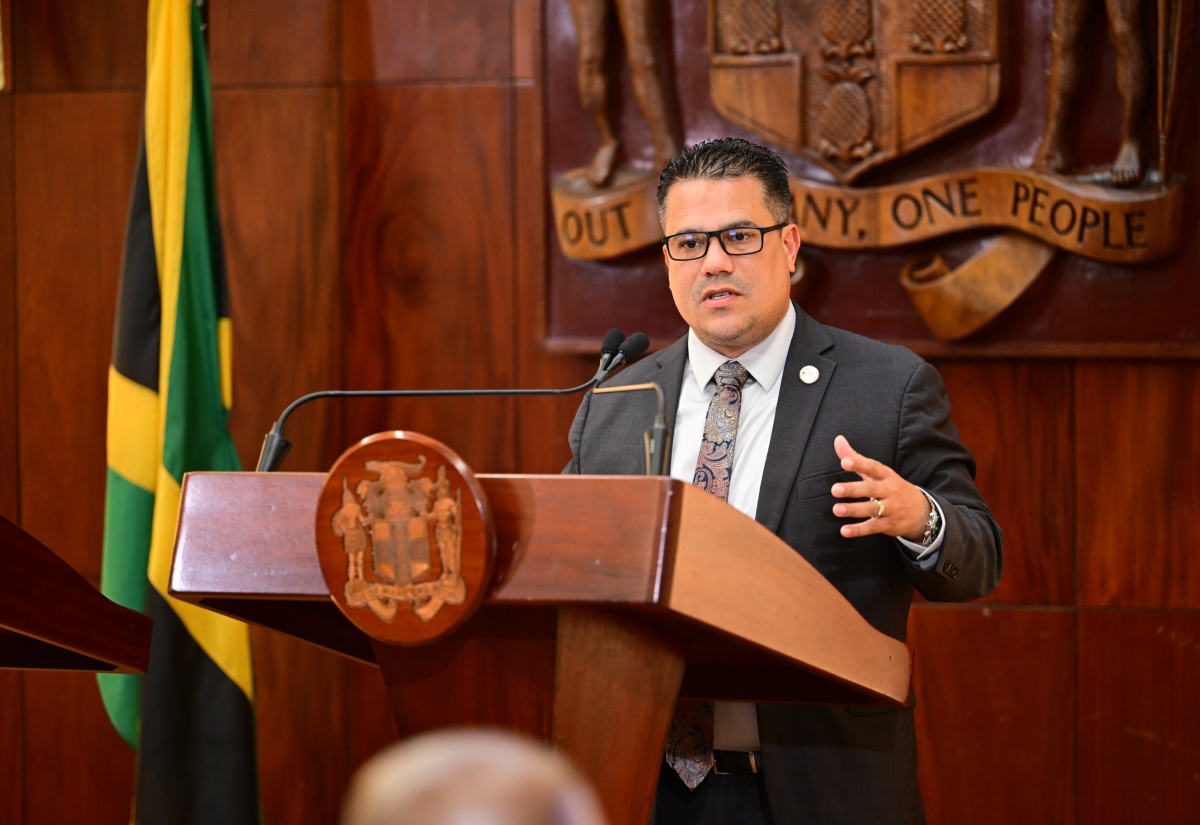
Photo: Adrian Walker
Minister of Water, Environment and Climate Change, Hon. Matthew Samuda, speaks during a recent post-Cabinet press briefing.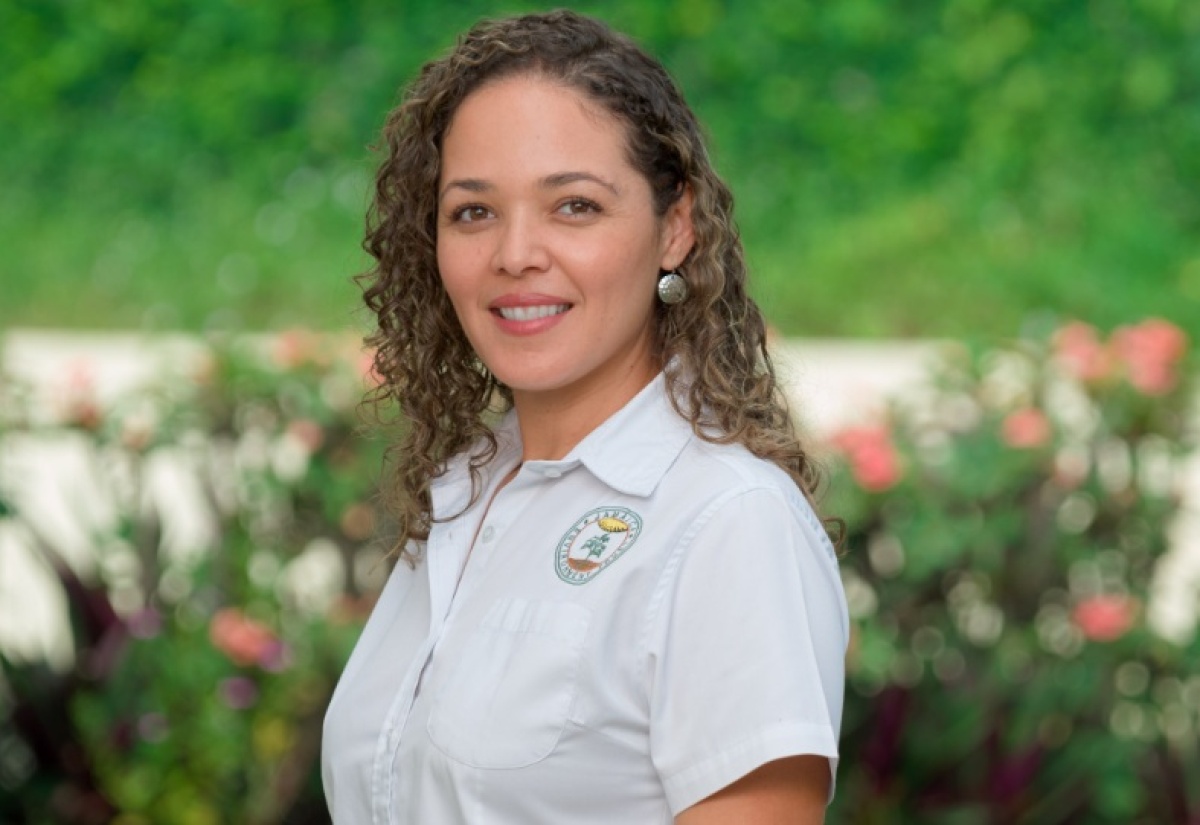
Photo: CONTRIBUTED
Chief Executive Officer (CEO) of Jamaica Environment Trust (JET), Dr. Theresa Rodriguez-Moodie.The Full Story
Minister of Water, Environment and Climate Change, Hon. Matthew Samuda, has emphasised that the proposed increase to the Environmental Protection Levy, will bring it in line with regional averages, while helping the country recover from the devastating impacts of Hurricane Melissa.
The Government has proposed an increase in the rate from 0.5 per cent to 0.8 per cent, for both imports and domestic goods and the expansion of the base on which the domestic levy is charged from 75 per cent of sales to 100 per cent.
The announcement was made by Minister of Finance and the Public Service, Hon. Fayval Williams, on February 12, when she tabled new revenue measures for implementation in fiscal years 2026/27 and 2027/28.
The primary objective of the Environmental Protection Levy is to mitigate environmental degradation, promote sustainable resource utilisation and bolster climate resilience, particularly for Jamaica’s vulnerable island ecosystems.
In an interview with JIS News, Mr. Samuda pointed out that environmental levies are very common globally and are put in place to deal with industries that have a carbon footprint or a particular impact on pollution, to help fund the state’s response to same.
In the case of Jamaica, he noted that the environmental levy helps to fund the work of the National Environment and Planning Agency (NEPA), Water Resources Authority (WRA) and the Forestry Department.
“Ultimately, the environmental levy allows these agencies to be able to do their absolutely critical and necessary work. The readjustment of it is really to bring it in line with regional averages and to ensure that it also brings the current revenue made from these measures in line with the costs of operating NEPA, Forestry, WRA and other agencies,” Mr. Samuda maintained.
He pointed out that the Government has done critical work through these agencies to protect the environment and vulnerable ecosystems in recent years.
“Over the last five years, we have protected more landmass under legislation than at any other period in Jamaica’s history. We have declared the Cockpit Country Protected Area; we have declared the Black River morass and many others. Jamaica now has 25 per cent of its landmass under legislated protection. We have been very clear that we will try to beat the target of 30 per cent by 2030 and even achieve that target even earlier…and we are actively working on that,” the Minister stated.
While acknowledging concerns from local manufacturers regarding the increase, he emphasised that the move is necessary.
“We do hope that the impact will be limited. We don’t expect it to be particularly heavy but it is a necessary measure,” Mr. Samuda stated.
Meanwhile, Chief Executive Officer (CEO) of Jamaica Environment Trust (JET), Dr. Theresa Rodriguez-Moodie, has acknowledged that environmental levies can be powerful tools when they are effectively implemented.
“We understand the impact of Hurricane Melissa and what it has done to our economy and the need for additional income to come in,” she noted in an interview with JIS News.
Dr. Rodriguez-Moodie encouraged the Government to provide further clarity on how the additional revenue will be utilised, while adding that resilience-building should be a key focus of the Government, especially given the recent impacts of Hurricane Beryl in 2024 and Hurricane Melissa in 2025.
The Finance Minister has indicated that the two hurricanes contributed to a projected decline in real gross domestic product (GDP) of 0.5 per cent and 4.5 per cent for the 2024/25 and 2025/26 fiscal periods, respectively.
She estimated that the adjustments to the Environmental Levy will result in an additional $3.639 billion in revenues effective May 1, 2026.