


Importance of Early Cancer Screenings and Detection Highlighted
By: , February 6, 2026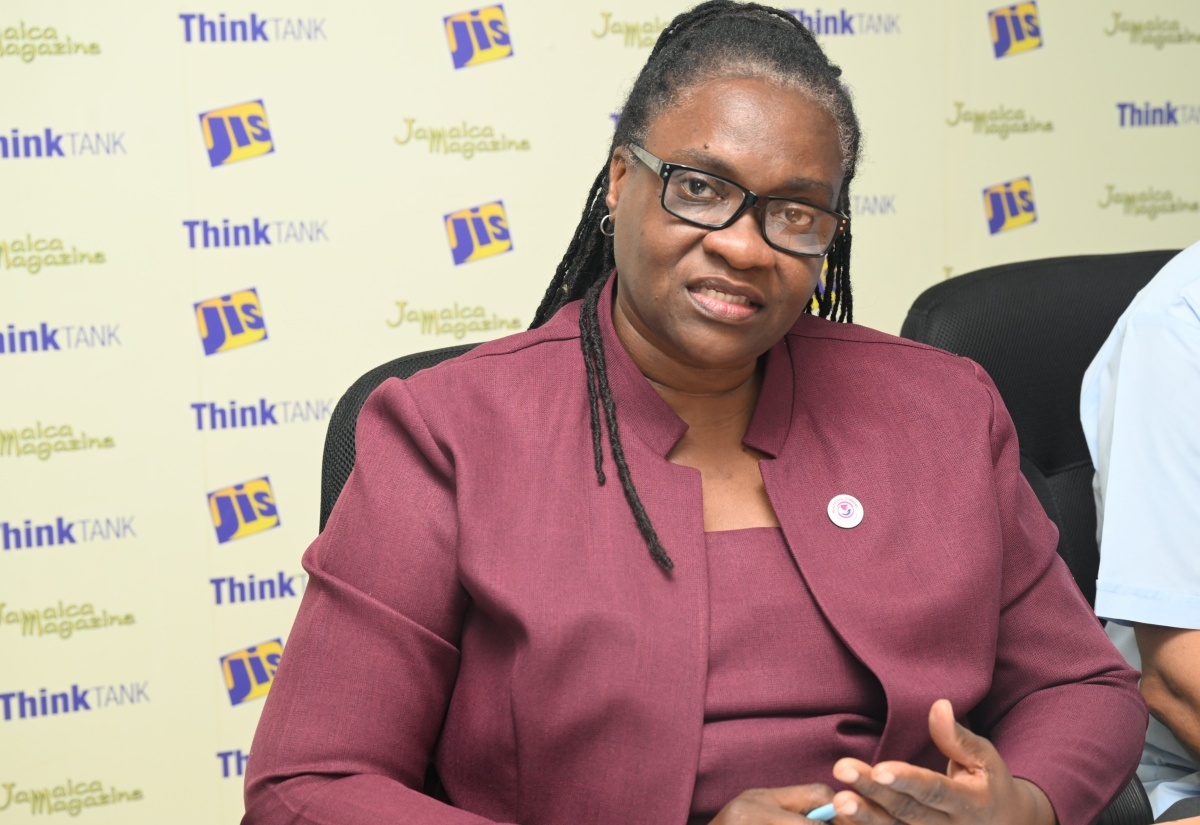
Photo: Kavanaugh Campbell
Regional Priority Non-Communicable Diseases (NCDs)/Family Health Coordinator at the Western Regional Health Authority (WRHA), Dr. Marcia Johnson-Campbell.The Full Story
Cancer is increasingly affecting younger Jamaicans, a trend that health officials say underscores the urgency of early detection, public awareness and strengthened healthcare systems.
Regional Priority Non-Communicable Diseases (NCDs)/Family Health Coordinator at the Western Regional Health Authority (WRHA), Dr. Marcia Johnson-Campbell, told JIS News that the perception that cancer is primarily a disease of older people, is a thing of the past.
“Cancer is not a disease of old people. Cancer is affecting younger persons,” Dr. Johnson-Campbell stated while noting that younger patients often present with more aggressive forms of the disease, which can worsen outcomes if diagnosis and treatment are delayed.
She was speaking to JIS News on February 4 as the country observed World Cancer Day under the theme ‘United by Unique’.
The National Health Coordinator stated that while national screening guidelines remain in place, increased awareness and risk assessment are critical, particularly for individuals with family history or other risk factors.
“We still have our specific guidelines in terms of age group… but if you assess their risk and see that persons are in a high-risk category, then you may want to encourage them to get the screening even before the usual age,” she noted.
Dr. Johnson-Campbell further emphasised that open communication between patients and healthcare providers is essential.
“Raising awareness for persons [is important] so that they will go in and have that conversation with their doctor or their nurse… so that they can be assessed and determine which screening activity they need to participate in,” she said.
Dr. Johnson-Campbell stressed that early engagement with the health system can significantly improve outcomes.
She also highlighted the importance of recognising childhood cancers and cancers affecting young adults as part of the broader public-health response.
Dr. Johnson-Campbell further stated that public education must move beyond fear-based messaging.
“Gone are the days when you get the diagnosis of a big fear… people should not be afraid to talk about what is happening or to find a group or somebody who can help,” she noted.
She also reiterated that cancer outcomes improve when individuals seek care early and remain engaged in the treatment process.