


HFJ Urges Jamaicans to Learn How to Identify a Heart Attack
By: , February 4, 2026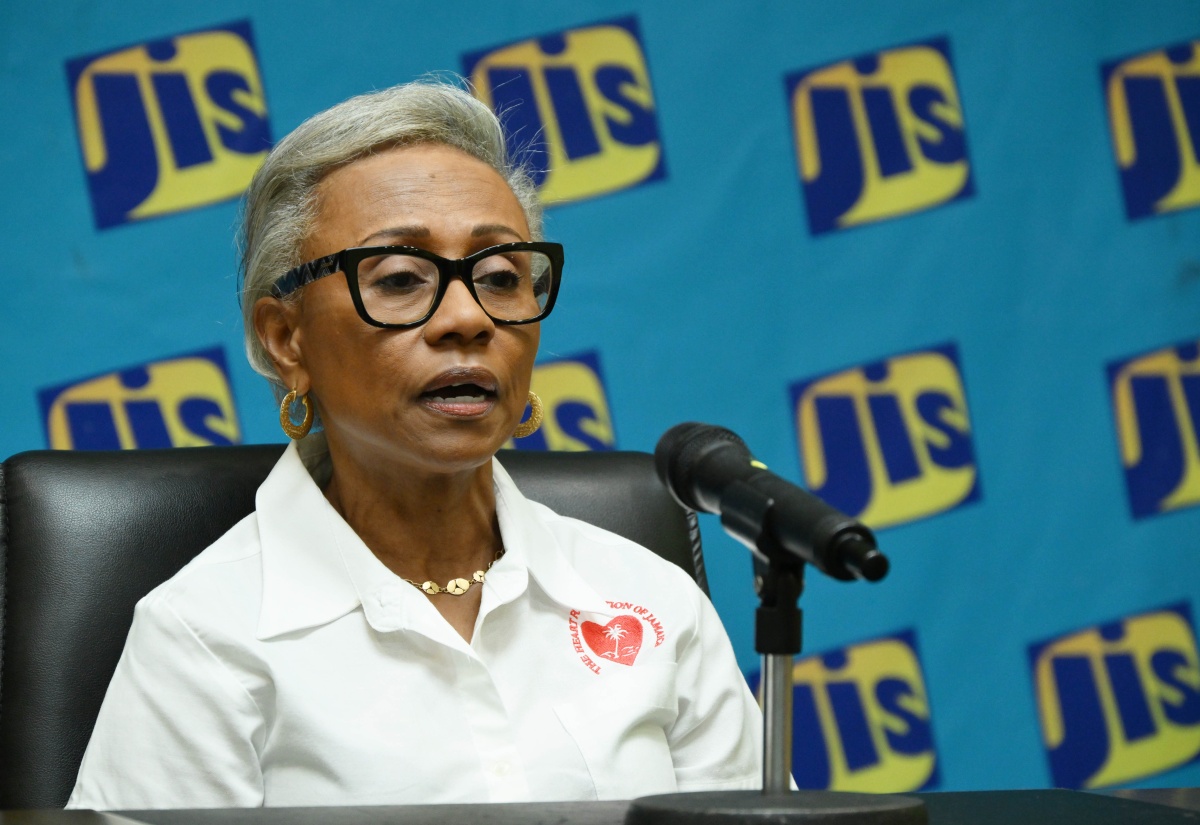
Photo: Rudranath Fraser
Consultant Cardiologist and Heart Foundation of Jamaica (HFJ) Chairman, Dr. Andrine Chung, addresses a JIS Think Tank on Tuesday (February 3).The Full Story
The Heart Foundation of Jamaica (HFJ) is encouraging Jamaicans to learn the warning signs of a heart attack, know their personal risk factors, seek early medical attention when symptoms occur, and take steps to reduce their risk.
Speaking at a JIS Think Tank on Tuesday (February 3), Consultant Cardiologist and HFJ Chairman, Dr. Andrine Chung, said that there is significant misunderstanding among the public about what a heart attack is and how it presents.
“Heart attack is an event; it’s a cardiac event. It’s not something that’s going on and on and on. It’s a specified event in which there is damage to the heart muscle because of a sudden blockage of blood vessels and reduction or obstruction of blood flow to the heart muscle,” she pointed out.
Dr. Chung noted that while a heart attack occurs suddenly, it usually happens following an extended period of deposits gradually forming inside the blood vessels supplying the heart.
When the blood supply is blocked, the heart muscle becomes severely damaged or dies.
The HFJ Chairman said that the most consistently reported symptom of a heart attack in both men and women is chest pain.
This pain is commonly felt in the centre of the chest but may spread to either arm, the neck or throat, or through to the back.
The discomfort does not always present as severe pain and may feel dull, burning, sharp, or difficult to localise.
Dr. Chung noted that a heart attack may also be associated with other symptoms such as shortness of breath, nausea or vomiting, feeling faint, or breaking out in a cold sweat.
“It’s not always the severe pain that causes you to clutch your chest and fall to the ground like you see in the medical dramas on TV. Sometimes, it can be subtle, and it’s usually associated with other symptoms,” she explained.
Dr. Chung cautioned that heart-attack symptoms can be mistaken for acid reflux or stomach pain. If symptoms persist despite taking remedies normally used for indigestion, individuals should seek medical care immediately.
“Early medical attention is critical, as prompt treatment reduces the amount of heart muscle damage and improves long-term heart function,” she said.
She noted that while heart attacks can happen to anyone, they are more common in men over 50 and women over 60.
“Women are generally protected by female hormones before menopause, but risks increase significantly afterwards,” Dr. Chung said.
Individuals with a family history of early heart disease are at increased risk and should begin screening earlier in life.
Major risk factors include high blood pressure, diabetes, smoking, high cholesterol, obesity, physical inactivity, and genetic predisposition.
The HFJ Chair cautioned that heart attacks can lead to heart failure, reduced quality of life, inability to work, and premature death.
The HFJ is observing Heart Month in February under the theme ‘Heart Attack – Could it Be You.’