


Government Seeks to Increase Marine Protected Space to 20,000 Hectares
By: , August 4, 2026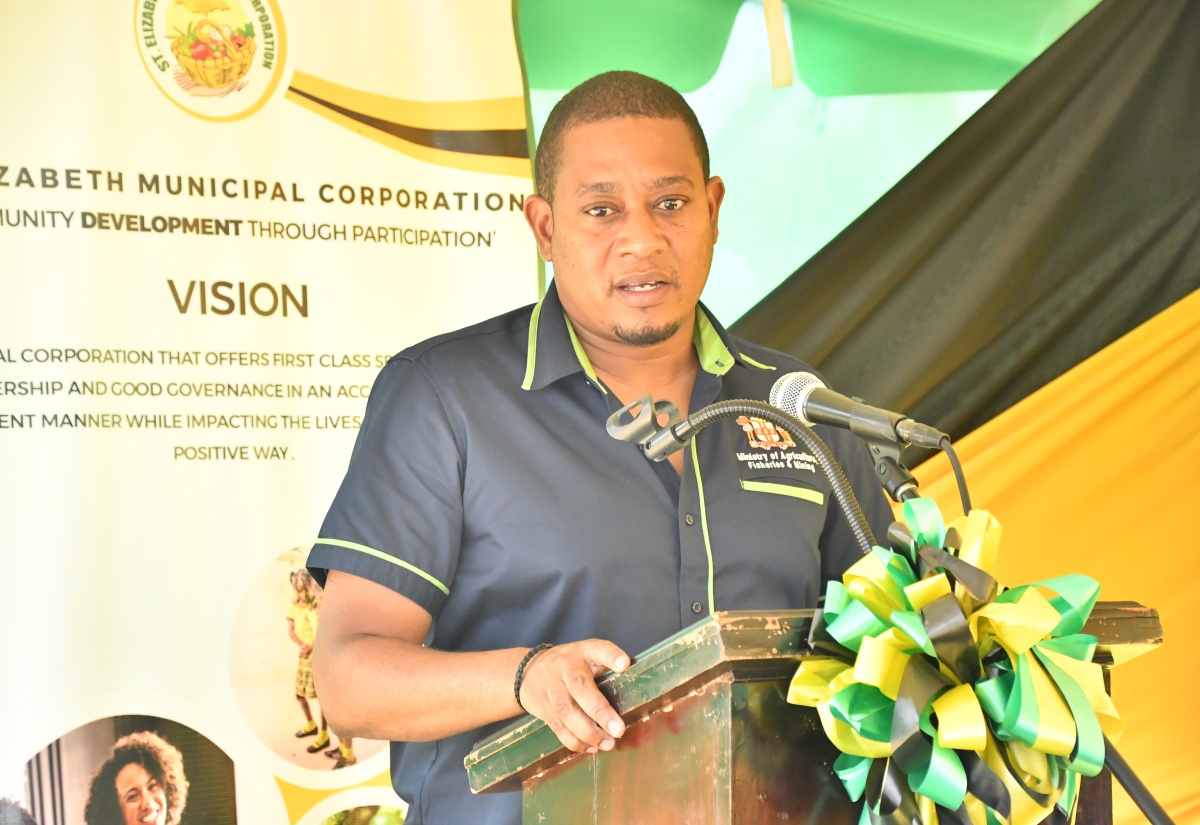
Photo: JIS File
Minister of Agriculture, Fisheries and Mining, Hon. Floyd Green.The Full Story
The Government is seeking to increase Jamaica’s protected marine space from 11,000 hectares to 20,000 hectares over the next three years, citing the success of fish sanctuaries in restoring depleted fish populations and marine biodiversity.
Minister of Agriculture, Fisheries and Mining, Hon. Floyd Green, made the disclosure while addressing the official opening of the Lucea Fish Sanctuary Office in Hanover on July 29.
“In fact, this year we want to do an additional two sanctuaries, and we’ve already identified Alligator Pond and Salt Marsh in Clarendon as our next two sanctuaries. What we want to do is, over the next three years, to ensure that we move from 11,000 to 20,000 hectares of marine space that is under protection,” he outlined.
Mr. Green said the planned expansion is backed by tangible evidence that well-managed sanctuaries are helping to rebuild Jamaica’s marine ecosystems.
“The good news is that there is hope because we have seen how when you establish these sanctuaries and when you properly manage these sanctuaries, we can see the restoration of our fish population, and that has been the story of our sanctuaries,” the Minister highlighted.
He recalled that a fish species commonly known as the ‘goldfish’, once plentiful in his community, had virtually disappeared before returning, following the establishment of the Galleon Fish Sanctuary in St. Elizabeth.
“I remember growing up, I was extremely fond of a fish… we called goldfish, and goldfish looked like it disappeared completely. Only to see, after the establishment of our sanctuary in Galleon, that goldfish has started to re-emerge,” Mr. Green shared.
The Minister said the experience demonstrates the important role fish sanctuaries play in reviving marine ecosystems and securing the future of Jamaica’s fisheries.
“These sanctuaries bring back life to our marine ecosystem. And that’s why they’re so important,” he said.
Mr. Green also noted a significant shift in attitudes among fishing communities towards protected areas.
“The good news now, I think we have transitioned from when the fishers used to say we don’t want it, to now the fishers are saying, ‘Bring the sanctuary home’ because they have recognised a couple years with the sanctuary and you will get better returns on your investments,” he said.
Mr. Green said the Government will continue working with fishing communities and stakeholders to expand Jamaica’s network of fish sanctuaries as part of its commitment to protecting the country’s marine resources and ensuring the long-term sustainability of the fisheries sector.