


Parents Urged to Be on Alert for Hand Foot and Mouth Disease
By: , April 24, 2026
Photo: Stock Image
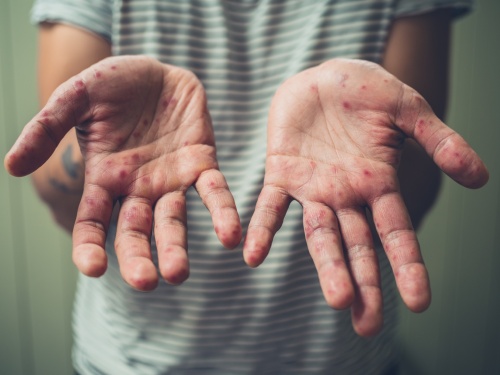
Signs of Hand, Foot and Mouth Disease (HFMD) in children.The Full Story
Health officials are encouraging Jamaicans to be on the lookout for signs of Hand, Foot and Mouth Disease (HFMD), as the country is in one of the periods when the illness usually occurs.
Cases of HFMD are generally reported between March and June and September and December.
Parish Health Promotion and Education Officer at the Westmoreland Health Department, Gerald Miller, tells JIS News that while there are no reported cases of HFMD, the role of the Ministry of Health and Wellness is to be proactive in safeguarding the population against these preventable illnesses.
“It is important for the public to be aware of what to look for and how to seek help to prevent the spread of the illness,” he says.
“When you have the information being constantly [shared] then the chance of you getting the behaviour change will be greater,” he points out.
President of the Paediatric Association of Jamaica and infection preventionist, Dr. Ludrick Morris, tells JIS News that HFMD is caused by the Enterovirus and Coxsackievirus.
The disease is a highly contagious and often affects infants and children under the age of five. Even though older children and adults are not immune, younger children are more at risk for contracting the illness because of their daily interactions.
Common symptoms include fever, loss of appetite, sore throat, and a general feeling of being unwell. Between one and two days after a fever starts, painful sores can occur in the mouth.
Skin rashes may also appear on the palms of the hands and soles of the feet, on the knees, elbows, and buttocks, which may blister but will not itch. Young children also tend to drool and avoid swallowing and may refuse to drink or eat because of the discomfort.
The virus is transmitted through faecal, oral, as well as by respiratory droplets.
Transmission can increase when hands are not properly washed after changing diapers or being in close contact with an infected person, sharing drinks or utensils, kissing, or via coughing and sneezing.
“It can happen directly or if they cough or sneeze on surfaces, then the next child comes along and put their hands on those surfaces, then put their hands in the mouth, eyes or nose,” Mr. Morris says.
Children are particularly susceptible to the virus during the summer and winter months when persons tend to be closer together. Places such as schools and daycares that host a lot of young children are particularly vulnerable.
“Very rarely [does] it affect adults, and when it does it’s very mild and it’s not something that stays in the system or has any long-standing impact,” Mr. Miller points out.
HFMD is not a virus that reactivates but it can be contracted multiple times.
Parents are urged to be alert and take precautions such as washing hands with soap and water after using the toilet, changing a diaper, before eating, before preparing meals, and after handling a sick person.
Persons are also encouraged to avoid touching their eyes, nose and mouth with unwashed hands.
“Avoid close contacts such as kissing, hugging and sharing cups and eating utensils with people who have hand, foot and mouth. Clean toys and surfaces often. Clean with soap and water and then disinfect with bleach solution,” Mr. Miller advises.

Sick children should be kept out of school or childcare for a few days to avoid spreading the virus.
There is no specific treatment for HFMD but paracetamol and ibuprofen may be used to help relieve the fever and pain. Caregivers are being warned against giving aspirin or pills containing aspirin because of the risk of Reye’s syndrome, which is a serious condition that causes swelling in the liver and brain.
They should seek immediate medical attention if an infant experiences high levels of fever or a child has a fever for more than 24 hours or experiences dehydration.
Older children may be monitored at home as long as they are drinking lots of fluids, as dehydration can become fatal. Acidic fluids like orange juice should be avoided as they may irritate mouth sores and cause pain.
“It’s important to keep the child hydrated. Sometimes, because of the oral ulcers, they may not want to feed because it’s painful. One of the ways that you know that your child is dehydrated is that they may not pass as much urine as they used to. The mouth may appear dry, but it’s important to note that in hand, foot and mouth, they may have drooling because of what’s happening in the mouth. So, you may confuse the drooling for adequate amount of saliva,” Mr. Miller points out.
Other warning signs that could suggest dehydration are dry skin, dry nostrils, weight loss, constant fussing and a lack of energy. If the child is not taking any fluids, then they should visit a healthcare provider