

JAD Equips Members of Deaf Community to Participate Fully in Nation-Building
By: , April 13, 2026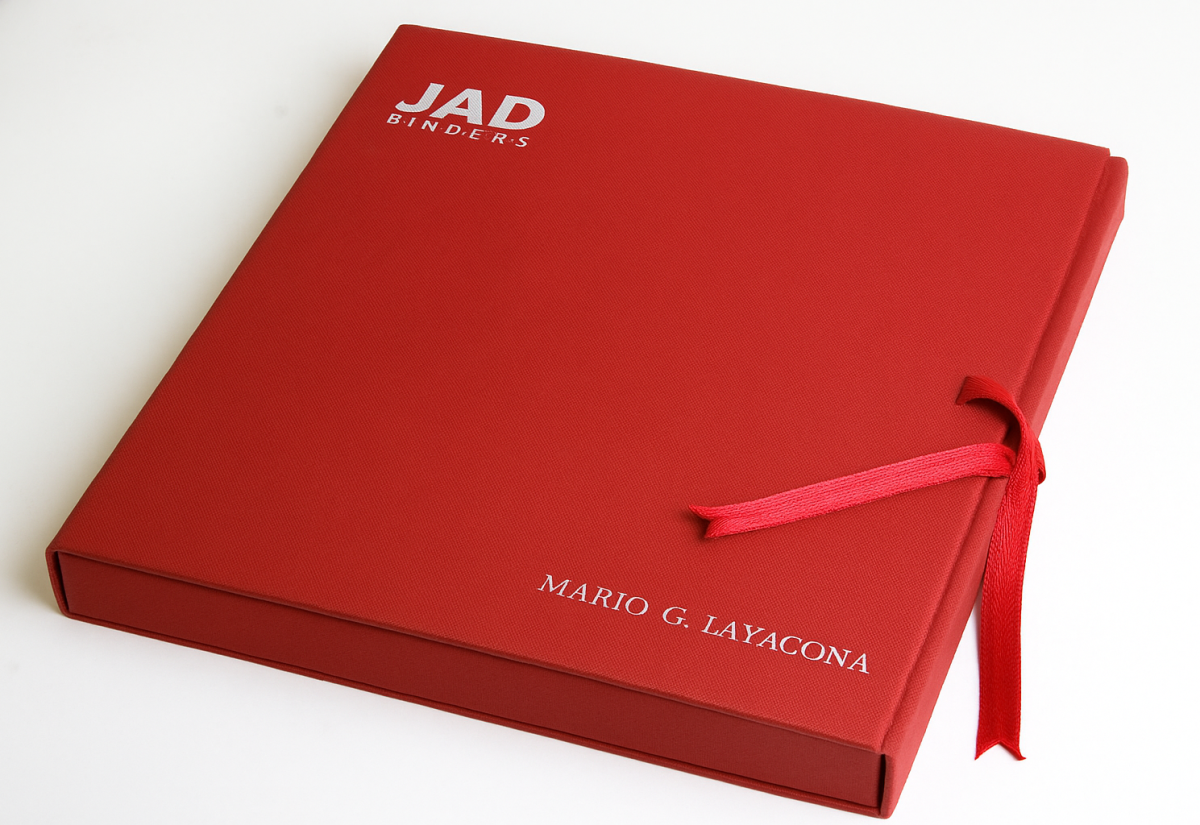
Photo: Contributed
Sample Items produced by the Jamaica Association for the Deaf, through its Social Enterprise programme.The Full Story
The Jamaica Association for the Deaf (JAD), founded in 1938, has long stood as a pillar of empowerment for members of the Deaf and hard-of-hearing community.
Since that time, the organisation has worked tirelessly to dismantle barriers that hinder access to education, employment, and entrepreneurship, ensuring that deaf Jamaicans are equipped to fully participate in nation-building.
Located at Hope Estate, Papine, in Kingston, JAD has expanded its reach across the island, operating eight schools that provide both academic and vocational training tailored to the needs of deaf children, youth, and adults.
Beyond the classroom, the Association extends its impact through advocacy, welfare services, family guidance, and community development initiatives, creating a holistic support system for its constituents.
Speaking with JIS News, Director of the Business Development Division, Deniese Badroe, says the organisation’s vision is “to have a Jamaica in which deaf persons are empowered to fully participate in nation-building. Every initiative we undertake is rooted in that commitment”.
Ms. Badroe points out that the critical areas of the organisation’s sustainability and empowerment are its social services and social enterprises. The JAD’s work spans three broad areas that provide both economic opportunities and essential services. There is the JAD Hearing Services (JADHS), which was established in 1963 to address the need for identifying children with hearing loss for special school placement.
Today, JADHS provides comprehensive hearing healthcare services, ensuring early detection and intervention while contributing to the wider mission of supporting the deaf community.
There is also the Jamaica Sign Language (JSL) Service, which offers training programmes, public education, and professional interpreting; fosters greater awareness of Deaf culture and bridges communication between the Deaf community and the wider society.
The Association also creates employment opportunities through a strategic initiative, which aims to sustain JAD’s programmes. Its social enterprise, the JAD Binders, specialises in crafting high-quality items; fine hand binding of ancient artistic craft; offers new bindings, repairs, conservation, and restoration of books.
According to Manager of JAD Binders, Nicola Hendricks, this social enterprise, which is owned and operated by JAD, distinguishes itself where every purchase supports employment opportunities for Deaf individuals and sustains vital community programmes.
Among its flagship offerings is thesis binding, ensuring that academic milestones are preserved with dignity and professional finish.
Businesses and individuals also benefit from custom gift boxes, branded journals, presentation folders, and portfolio products that elevate communication and branding, while reflecting creativity and care. Each item is designed to impress, protect and last long.
Noteworthy is the company’s expertise in binding and restoration of family treasures, such as Bibles and historical documents.
“JAD Binders blends traditional techniques with modern innovation to restore heritage for future generations,” Ms. Hendricks says.
What makes JAD Binders truly unique, however, is its impact beyond the workshop.
“Every product purchased contributes directly to the sustainability of JAD’s educational and advocacy programmes, while also providing meaningful employment for Deaf individuals. This dual mission of crafting excellence, while empowering communities, sets JAD Binders apart as more than a service provider, it facilitates inclusion and social progress,” Ms. Hendricks says.
“Our work is about more than binding books or creating boxes. Each project represents an opportunity, and the chance to support the Deaf community while preserving stories and achievements,” she adds. Individuals and organisations seeking quality and creativity, JAD Binders remains the premier choice.
By choosing JAD Binders, customers secure professional craftsmanship while helping to bind together opportunity, heritage, and hope. JAD’s work is aided through donations, sponsorships, government support, and income-generating projects. The organisation also invests in state-of-the-art audiology equipment, digital hearing aids, and online JSL training, supported by a learning management system, recognising technology as vital to advancing accessibility. Through these initiatives, JAD continues to broaden its advocacy efforts, expand vocational opportunities, and strengthen its services in response to emerging needs.
The association remains committed to its mission to empower deaf and hard-of-hearing individuals, enhance inclusion, and provide sustainable pathways for growth and independence, ensuring that Deaf Jamaicans are not left behind in the nation’s development journey.
“JAD’s programmes are carefully designed to meet the needs of different age groups,” Ms. Badroe says.
For children, the focus is on early education and screenings to ensure timely support. Youth benefit from school-to-work transition programmes, vocational training, and empowerment initiatives, while adults are supported through employment services, advocacy, and lifelong learning opportunities.
For nearly nine decades, the JAD has remained committed to advancing education, accessibility, and dignity for the Deaf community, ensuring that every individual has the opportunity to thrive and contribute meaningfully to society.