


Inclusivity is More Than Physical Accessibility – Minister Charles Jr
By: , March 31, 2026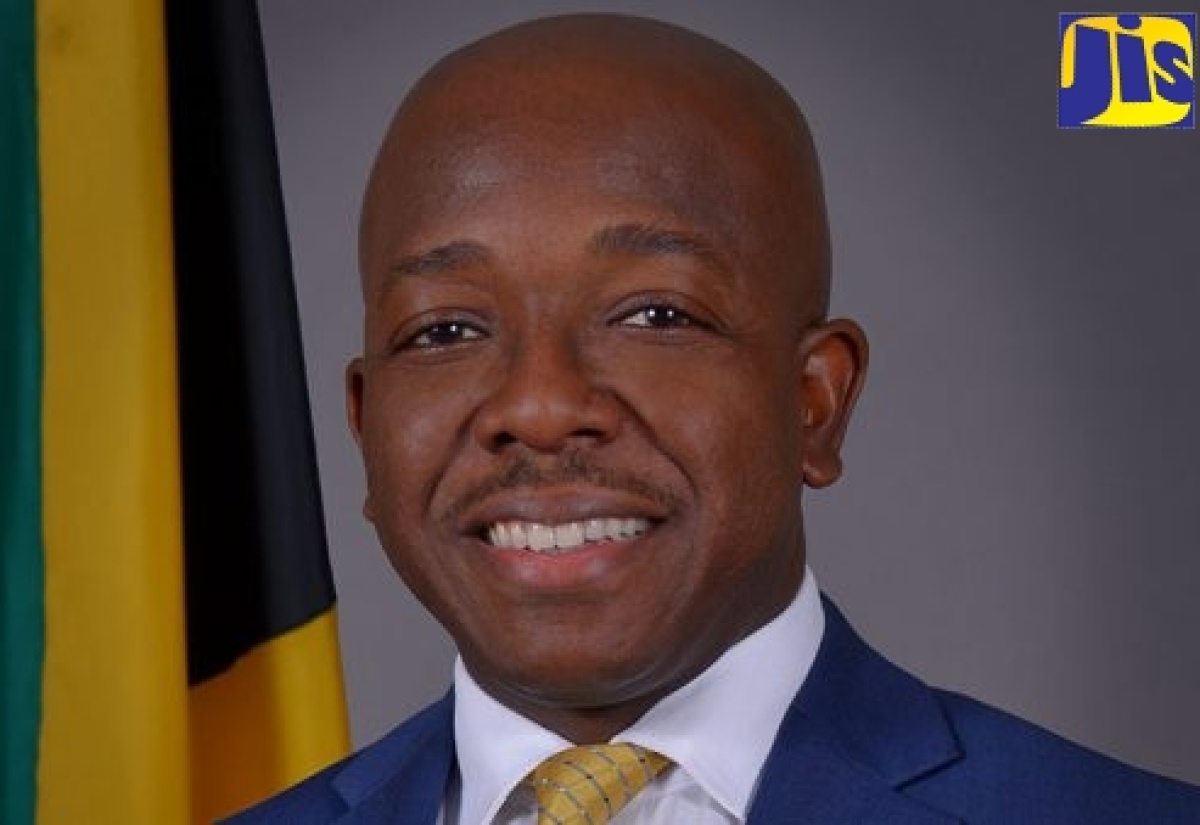
Photo: JIS File
Minister of Labour and Social Security, Hon. Pearnel Charles Jr.The Full Story
Jamaica is actively prioritising inclusivity within public-sector agencies, moving beyond mere physical accessibility, such as ramps and elevators, to comprehensive, people-centred approaches.
“We have to challenge each other to now move beyond the visible markers of accessibility to confronting the deeper truth, which is that inclusion is not merely about the concrete or the walls, or the equipment; it is about our attitude, the systems, and accountabilities,” said Minister of Labour and Social Security, Hon. Pearnel Charles Jr.
“It is about how you approach these matters in your daily lives and in your service,” he added.
He noted that “by equipping the ministries, departments and agencies with the knowledge and the tools that are required… to embed inclusive practices in everything that we do, we are strengthening the institutional performance and advancing equity, which are two critical things for public service”.
When inclusion becomes standard practice it will signal that the country is moving in the right direction, the Minister contended.
He was addressing a recent webinar under the theme ‘All Inclusive Service: Advancing Beyond Ramps and Special Parking’.
Executive Director of the Jamaica Council for Persons with Disabilities (JCPD), Dr. Christine Hendricks, shared guidelines during the webinar to create inclusive environments.
Among them was to make communication accessible through simple language when sharing public information, sign language interpretation in public hearings and using large fonts to facilitate easy reading or visual aids.
Dr. Hendricks noted that sign language interpretation in Jamaica is a necessity.
“We have 75,000 and more persons who are deaf or hard of hearing who may know sign language and would need to access information, so sign language interpretation in public hearings is important,” she said.
Dr. Hendricks further recommended that inclusive disability training should be part of every public-sector organisation.
“Everybody who is onboarded must learn about disability inclusion and people with disabilities. It must be embedded within your training framework,” she said.
Another proposal is to implement the principle of universal design, which is to design environments that are usable for all people.
“Engineers and creative thinkers, ensure that as you are designing you engage the population of persons with disabilities so that everybody can benefit… nothing about us, without us,” said Dr. Hendricks.
The webinar was the first in a series hosted by the Management Institute for National Development (MIND) in collaboration with the Ministry.
The sessions align with Jamaica’s Vision 2030 National Development Plan and the United Nations Sustainable Development Goals (SDGs 10, 11 and 17), which focus on reducing inequality, building inclusive cities and strengthening partnerships.
They also reflect Jamaica’s legal obligations under the United Nations Convention on the Rights of Persons with Disabilities, the Disabilities Act (2014) and the CARICOM Disability Inclusion Strategy.
The JCPD is a department of the Ministry of Labour and Social Security.