


Breaking the Silence on Men’s Mental Health
By: , August 31, 2026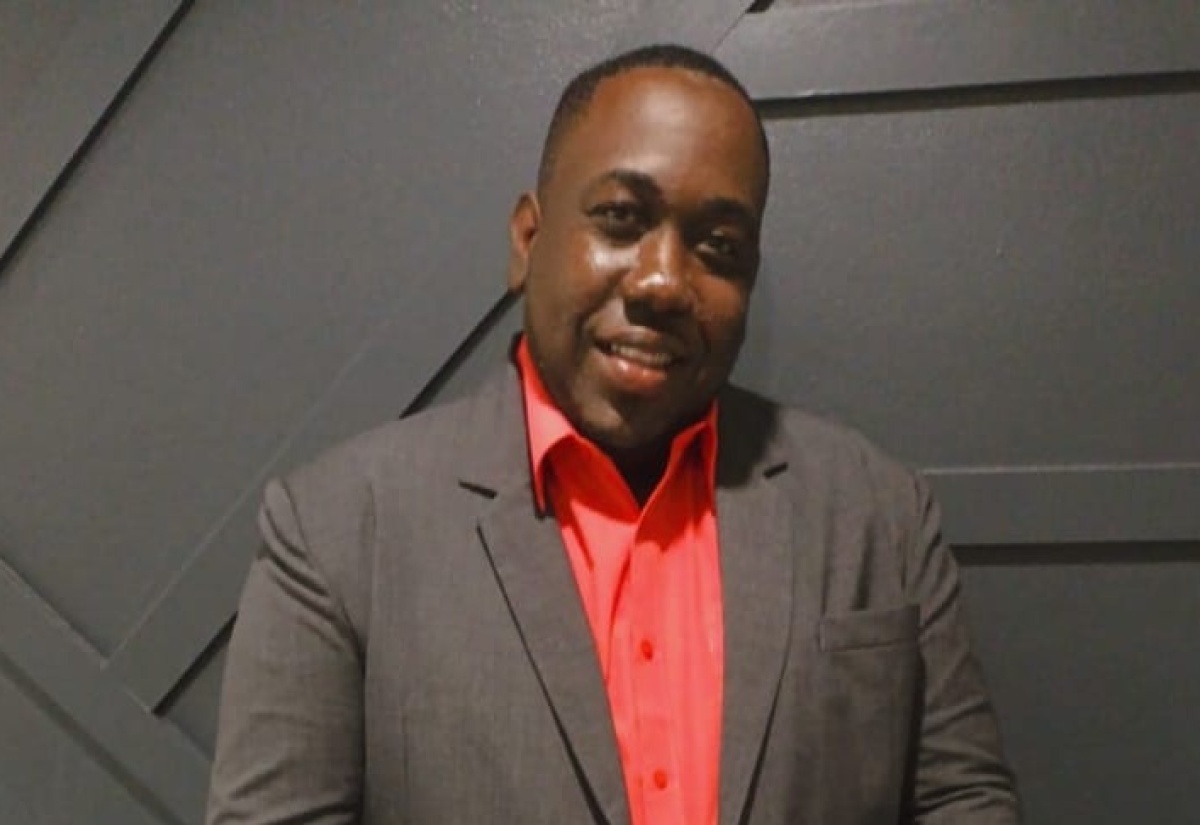
Photo: Contributed
Father and Sagicor Field Services officer, Caleb Henry.The Full Story
For many men, the pressure to appear strong begins in childhood, when boys are often taught that crying is a sign of weakness and that difficult emotions should be hidden rather than discussed.
As they grow older, that lesson is reinforced by expectations that they should provide for their families, remain in control and keep moving, even when unemployment, financial pressure or other personal challenges make those responsibilities difficult to fulfil.
Speaking in an interview with JIS News, a father from St. Ann, Caleb Henry, said this cycle must be broken early, by introducing mental-health conversations at the early-childhood and primary-school levels, where boys can learn that expressing emotions is a normal part of being human and that asking for help does not make them weak.
He noted that changing the way society responds to men’s mental health will require more than encouraging them to speak openly, adding that it will mean creating spaces in which they feel comfortable enough to be honest about what they are experiencing.
Mr. Henry pointed out that, too often, boys are taught that crying is a sign of weakness.
He noted that job loss, financial difficulties and other setbacks can leave men feeling that they have failed their families, yet they are still expected to remain composed and carry on.
“Sometimes things don’t go the way we expect them, and… we have to man up,” Mr. Henry said.
He, however, noted that the answer is not simply encouraging men to seek help but changing where and how those conversations take place.
He suggested bringing mental-health discussions into environments where men already gather, including social settings.
“You can have a little session where a counsellor may come there and just have a rap session where persons can actually get involved and see what issues men are actually going through,” Mr Henry said.
Community Development Committee President from Wakefield, Trelawny, Stanley Gordon, agrees that support must be brought closer to men.

He believes society must make a greater effort to reach men rather than wait for them to seek assistance.
“We cannot talk and hope that we can reach them,” Mr Gordon said.
He pointed out that men can also feel compelled to suppress their emotions because of the expectations attached to leadership and masculinity.
“There’ll be people who look up to you. They say, ‘no, but you’re the leader for this’. ‘You’re leading, so you have to be stronger than that’,” Mr. Gordon explained.
“Stop thinking that men are robots. They’re not robots,” he added, arguing that men should be recognised as human beings with emotions and vulnerabilities.
He also called for greater attention to be paid to the pressures men face when they are unable to provide for their families, particularly following the loss of employment.
While Mr. Gordon relies on exercise, reading and other healthy activities to manage stress, he acknowledged that men differ in how they cope and that those who are struggling should seek help from someone they trust.
Meanwhile, Clinical psychologist with the Western Regional Health Authority, Alcon Barnett, believes changing these attitudes is critical, noting that men often do not report mental-health challenges.

Mr. Barnett said the pressure to appear invulnerable can cause men to mask their difficulties, leading to negative coping behaviours such as substance misuse, aggression, risk-taking and social isolation.
“It is okay not to be okay,” Mr. Barnett said.
The Clinical Psychologist said he supports greater emphasis on emotional literacy among boys, noting that they need to understand that emotions are a normal part of being human and that expressing them does not make them weak.
Mr. Barnett also supports the creation of more spaces specifically for men but cautioned that support from friends cannot replace professional intervention in certain situations.
“The person might have post-traumatic stress disorder, which is extremely technical, having flashbacks, reenactment, suicidal thoughts, where a friend might, in some way, retraumatise the person, causing a deeper wound,” Barnett cautioned.
He, therefore, encouraged men to seek help before their circumstances become severe, suggesting that a regular doctor or primary-care provider can be a starting point for accessing appropriate mental-health support.
Mr. Barnett also recommended practical measures such as adequate sleep, proper nutrition, exercise and maintaining social connections to improve mental health.
Ultimately, the goal, he suggests, is not to make men less strong but to change what strength means.
Acknowledging when something is wrong, asking for help and allowing oneself to be vulnerable, he said, can be part of becoming stronger.
“It is even a badge of strength when you’re vulnerable and admit it, so that you can get that healing to become stronger again,” Mr. Barnett said.