


Farmers in Cedar Valley, St. Thomas Receive Post-Hurricane Crop-Recovery Kits
By: , December 11, 2025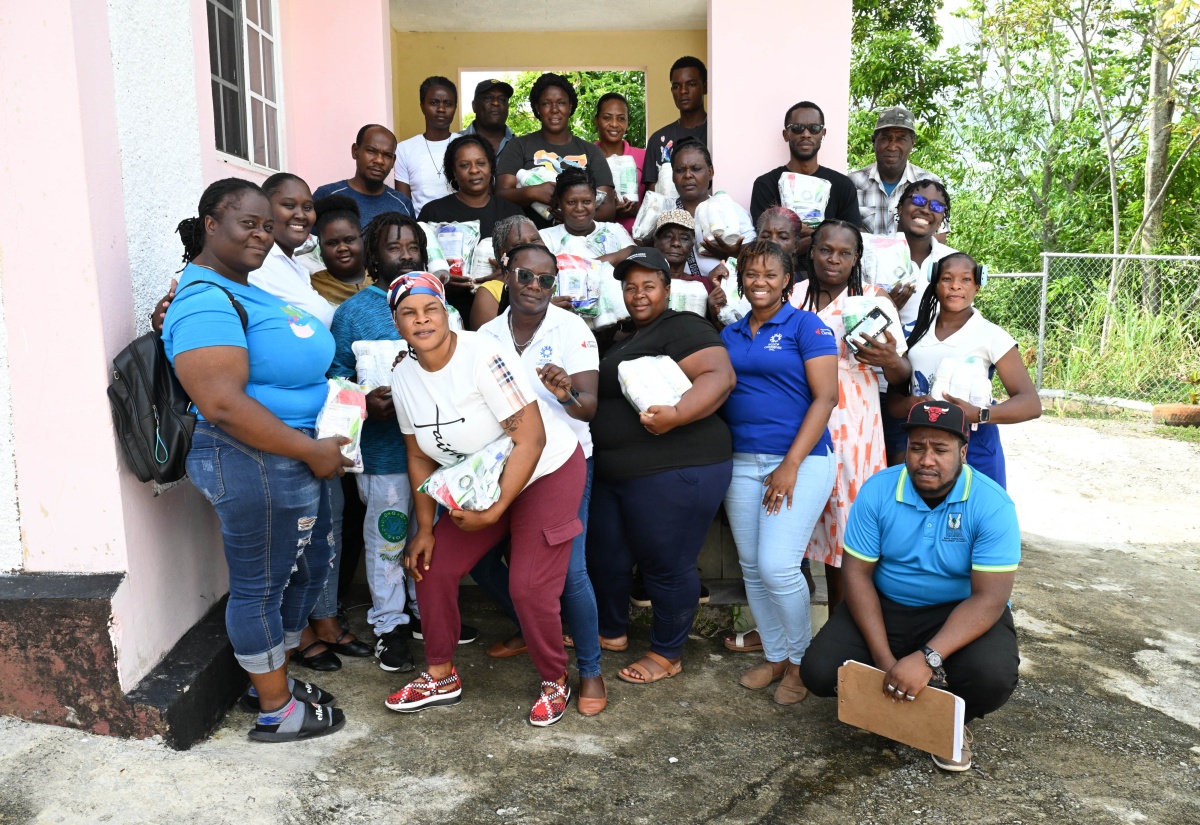
Photo: Janell Henderson
Cedar Valley farmers in St. Thomas proudly display post-Hurricane Melissa crop-recovery kits received on December 9, to aid recovery efforts following Hurricane Melissa.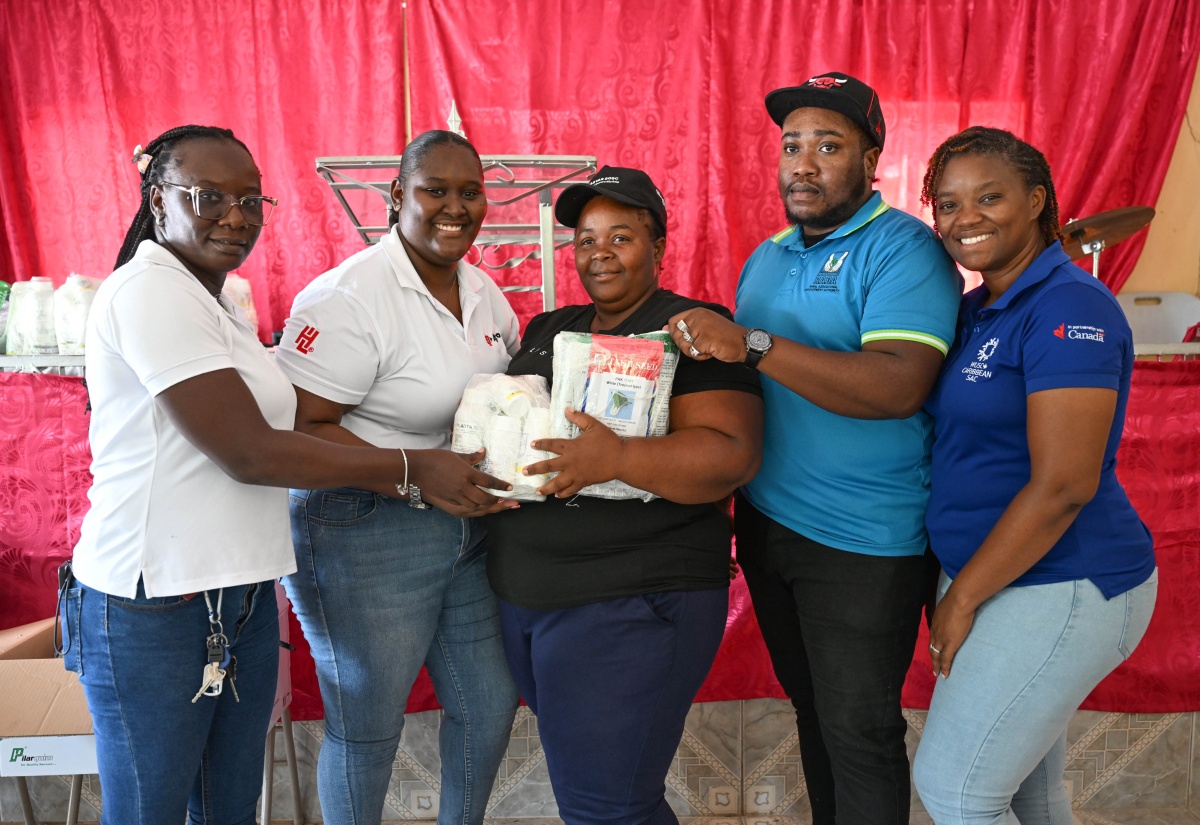
Photo: Janell Henderson
World University Service of Canada (WUSC) Sustainable Agriculture in the Caribbean (SAC) Project Country Coordinator for Jamaica, Nelsa English-Johnson (right); Rural Agricultural Development Authority (RADA) Extension Officer, Delano Willis (second right); WUSC Climate Smart Agriculture Officer, Shane Mignott (left); and H&L Agro Senior Agronomist, Chazelle Thompson (second left), share a photo opportunity with farmer Shakeena Stewart, after she receives a post-Hurricane Melissa crop-recovery kit. Ms. Stewart was among farmers in Cedar Valley, St. Thomas, to benefit from the December 9 handover.The Full Story
Farmers in Cedar Valley, St. Thomas, are now better positioned to resume agricultural production, following the official handover of post-hurricane crop-recovery kits under the Sustainable Agriculture in the Caribbean (SAC) Project, implemented by the World University Service of Canada (WUSC).
WUSC SAC Country Coordinator for Jamaica, Nelsa English-Johnson, speaking during the December 9 handover session at Mango Row Church of God in Cedar Valley, underscored that with eastern parishes spared the worst of
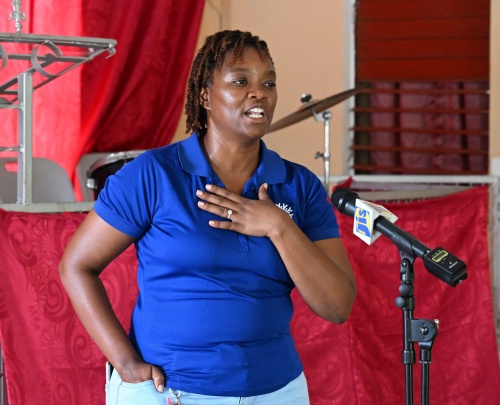
Hurricane Melissa’s impact, farmers in these areas now bear a critical role in safeguarding Jamaica’s food security.
“One of the initiatives that we wanted to do was see how we can support the farmers in St. Thomas to get into production. St. Thomas [will need] to ramp up production so that we can feed Jamaica,” she said.
Mrs. English-Johnson acknowledged, however, that farmers in Cedar Valley were not entirely spared, noting that they, too, suffered damage to their crops.
“We saw the bananas… laid down. We saw the devastation to some of your crops… they got washed out,” she stated.
Through funding from Global Affairs Canada, and with the support of agricultural partners H&L Agro, Growers’ Choice, and the Rural Agricultural Development Authority (RADA), farmers received specialised recovery inputs for ‘ketch’ (catch) crops designed to deliver yields within a short period.
Guided by prior field assessments, the recovery kits were tailored to farmers’ immediate needs, including cabbage and Pak Choy seeds, along with pest, disease, and nutrition management supplies.
“In six to eight weeks’ time, you should start getting back some money in your pockets,” Mrs. English-Johnson said.
A similar exercise was conducted on December 3, when the WUSC SAC Project distributed livestock-recovery kits to farmers in Cedar Valley.
“[We are] always in your corner. The SAC Project loves the farmers of St. Thomas. We stand with you… to ensure that Jamaican farmers come out stronger and more resilient,” she affirmed.
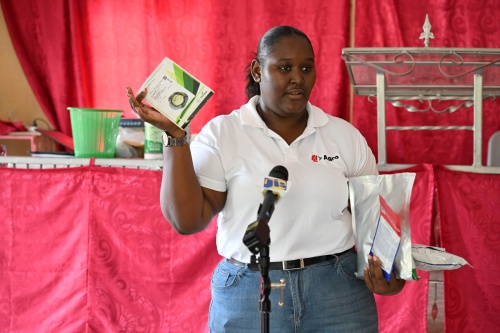
During the handover session, Senior Agronomist at H&L Agro, Chazelle Thompson, provided a detailed outline of the recovery inputs and their recommended use. She also addressed questions from farmers to ensure clarity and effective application.
Shakeena Stewart, a farmer with more than 18 years’ experience, was among the recipients. She told JIS News that she is appreciative of the assistance provided.
“It feels good, and I am thankful because this will help us to recover. Even though we lost a lot, this is a great start. The chemicals, especially, will help us a far way. With the seeds, if we plant now we will reap within six weeks’ time and start to feed back the country and also take care of ourselves financially,” she said.