



Damaged Wetlands in Parottee Being Restored
By: , February 5, 2026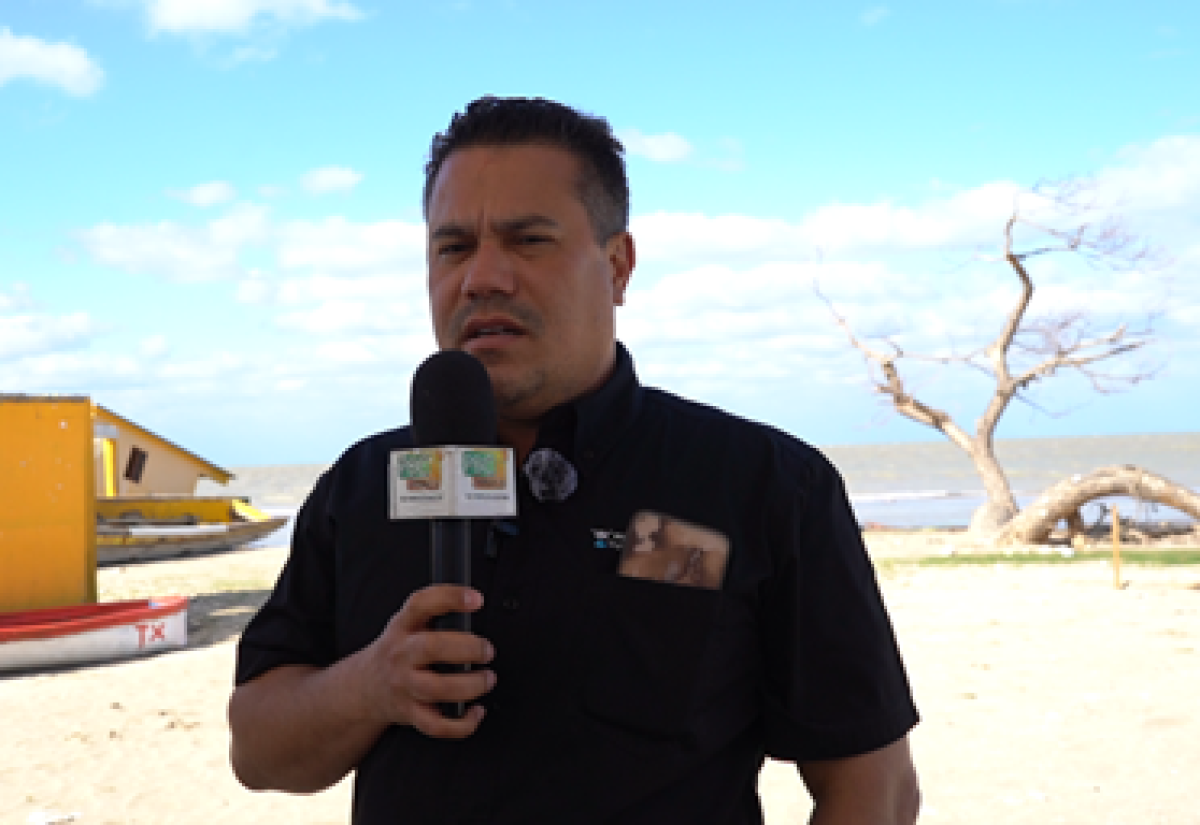
Photo: Contributed
Minister of Water, Environment and Climate Change, Hon. Matthew Samuda, gives remarks during mangrove clean-up activities in Parottee, St. Elizabeth on Monday (February 2).The Full Story
Minister of Water, Environment and Climate Change, Hon. Matthew Samuda, says the Government has commenced targeted clean-up and restoration of hurricane-damaged wetlands in the Parottee community, in St. Elizabeth, as part of activities marking World Wetlands Day on Monday (February 2).
The exercise involves the removal of debris and bulk waste from mangrove areas to restore hydrological flow, strengthen coastal stability and protect livelihoods dependent on the ecosystem.
The activity was coordinated by the National Environment and Planning Agency (NEPA), in collaboration with the Forestry Department, with support from the JPS Foundation, GraceKennedy Foundation, the National Water Commission (NWC), the National Solid Waste Management Authority (NSWMA) and the IKI Foundation.
The clean-up formed part of NEPA’s World Wetlands Day programme of activities and aligned with the global theme, ‘Wetlands and Traditional Knowledge: Celebrating Cultural Heritage’, underscoring the importance of mangroves in coastal protection, sustaining livelihoods, preserving cultural heritage and promoting environmental stewardship.
Speaking during the activity, Minister Samuda said the environmental impact of Hurricane Melissa extends beyond visible damage to buildings.
“Today is World Wetlands Day and what you have is a wetland that was assaulted by Hurricane Melissa. You see the damage to our buildings, but certainly when you have the opportunity to fly above you see the scale of the damage to our forests, our wetlands and, indeed, our hillsides and it is… a very difficult thing to absorb, because the scale of the damage is unprecedented,” Mr. Samuda said.
He added that the observance provides an opportunity for the Government to recommit to environmental restoration and community recovery.
“For us we think it is particularly important… that we use the day to recommit not just to the people but to their environment so that they are clear that we will restore this area, we will restore the areas that are affected because it’s particularly important that we understand the relationship between those who live here and the environment in which they live,” he said.
Minister Samuda further explained that accumulated debris disrupts water movement and weakens coastal systems, making removal a priority.
“Today’s effort is really to start the process of removing the debris and bulk waste from the wetlands, which obviously affect hydrological flow; it affects coastal stability, so it’s very important that we start the process of removing the waste, so that we’re able to restore these wetlands over time through varying initiatives, including our relief initiative and other replanting initiatives that NEPA will also lead,” he informed.
Heavy equipment has been deployed to facilitate the operation, with similar exercises planned throughout the year.
The Minister said that the Government remains committed to safeguarding both livelihoods and the natural environment.
Wetlands and mangrove ecosystems act as natural buffers against storm surges and erosion, while supporting fisheries and other economic activity, making their rehabilitation critical to Jamaica’s climate resilience efforts.