


Post-Hurricane National Clean-Up Programme Launched as Testament to Jamaica’s Resilience
By: , December 9, 2025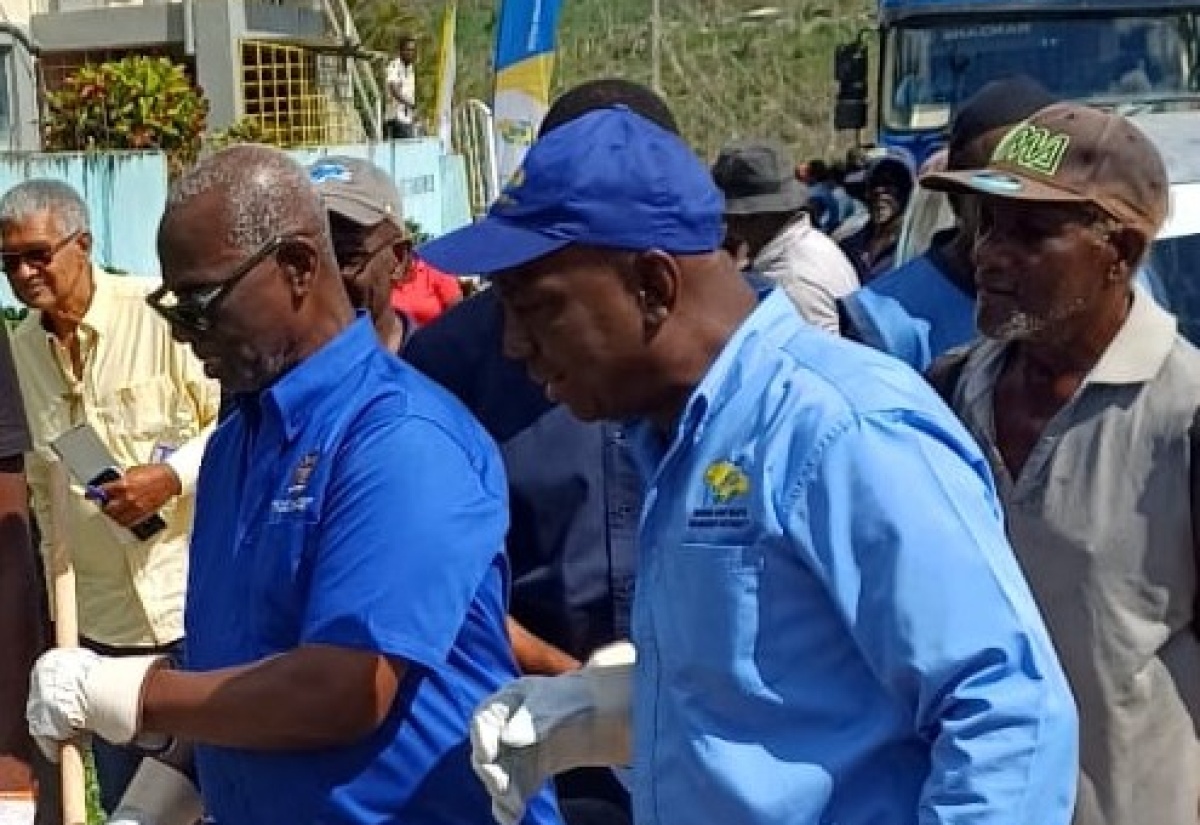
Photo: Garwin Davis
Minister of Local Government and Community Development, Hon. Desmond McKenzie (left), and Executive Director of the National Solid Waste Management Authority (NSWMA), Audley Gordon, prepare to participate in post-hurricane cleanup activities in Darliston, Westmoreland, on December 5.The Full Story
Minister of Local Government and Community Development, Hon. Desmond McKenzie, says the launch of a national clean-up programme just one month after the country was struck by a powerful hurricane speaks volumes about the strength and resilience of the Jamaican people.
The programme aims to remove debris, clear drainage systems, and address environmental hazards that have compounded residents’ vulnerabilities in the aftermath of Hurricane Melissa, a powerful Category Five cyclone, which ravaged sections of the island, leaving an estimated $7 billion in damage.
Speaking during the official launch in Darliston, Westmoreland, on December 5, Mr. McKenzie underscored that the initiative represents a coordinated, multi-parish and multi-constituency response.
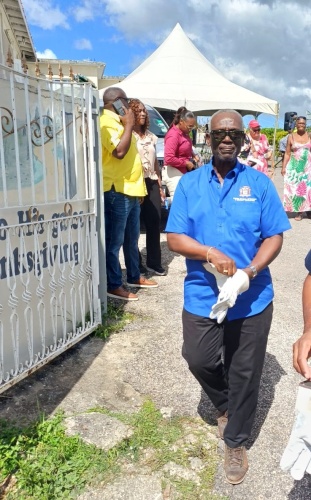
He explained that the programme is designed to accelerate clean-up and rehabilitation efforts in the communities most severely impacted by the hurricane.
“This programme is not simply about sweeping streets. It is about cleansing communities, restoring livelihoods, and reinforcing the social fabric that makes Jamaica strong,” the Minister declared.
Mr. McKenzie added that the initiative will cover 16 affected constituencies across five parishes and operate over the next four to six weeks.
Activities will extend beyond major thoroughfares to reach smaller, underserved neighborhoods, ensuring that no community is left behind in the national recovery effort.
By extending efforts into communities beyond main corridors, officials hope to prevent secondary problems such as flooding and disease, while supporting small businesses and local services that are central to post-disaster recovery.
Meanwhile, in a notable development, the Government announced a new role for churches in the clean-up effort.
Mr. McKenzie stated that faith-based institutions will serve as integral partners in the operation, with funds allocated to churches across Jamaica to support clean-up activities.
He advised that specifics on the allocation would be announced in the coming weeks.
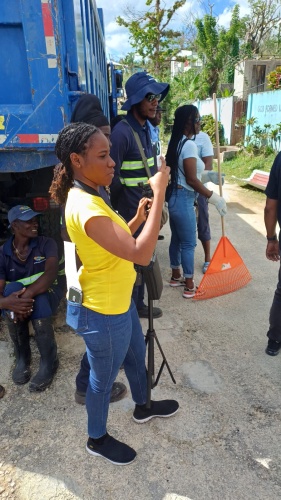
The move, Mr. McKenzie noted, reflects a broader strategy to mobilise trusted local institutions and leverage community leadership to reach households and neighbourhoods that may be underserved or hesitant to engage with government-directed relief efforts.
He said the approach, going forward, will also reflect a shift in the country’s disaster response philosophy, describing a deliberate change in Jamaica’s approach to disaster management, emphasising collaboration with all individuals regardless of political affiliation or economic status.
“Our commitment is to work with every Jamaican who wants to help, and to ensure no one is left behind,” Mr. McKenzie assured.
The Minister acknowledged Jamaica’s heightened vulnerability to climate-related events and underscored the urgent need to adapt response strategies to evolving risks.
He highlighted the importance of improved coordination, resource sharing, and the establishment of a more inclusive mobilisation framework.
Mr. McKenzie framed the day’s announcements as part of a broader programme to restore normalcy in the wake of Hurricane Melissa and strengthen lasting resilience within communities.
He emphasised the importance of sustaining momentum from emergency response into long-term recovery, noting that rapid clean-ups, drainage improvements, and ongoing social support are interconnected pillars of a comprehensive resilience strategy.
Meanwhile, residents and community leaders expressed optimism, while local volunteers signalled their readiness to participate fully in the four-to-six-week clean-up programme.
Several attendees urged continued transparency and the provision of clear implementation timelines – a request Mr. McKenzie acknowledged by pledging consistent communication as the programme advances.
The National Clean-up Programme stands as the most visible component of Jamaica’s post-Hurricane Melissa recovery effort, uniting municipal action, faith-based participation, and an inclusive disaster-management framework.
As Westmoreland and neighbouring parishes prepare for the clean-up push, officials emphasise that collaboration, together with the speed and fairness of its execution, will be critical to restoring normalcy and reinforcing community resilience against future weather events.